Health Breakthroughs
New discoveries in cholesterol testing, Alzheimer's, and cancer treatment
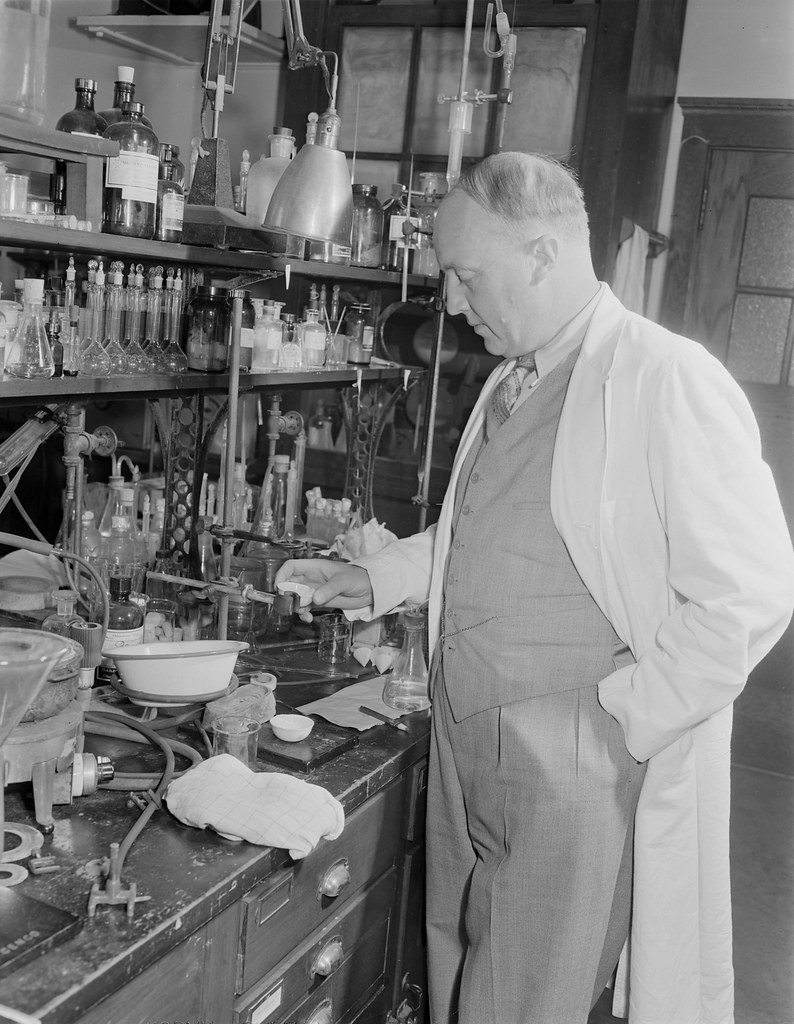
Millions of people may be getting the wrong cholesterol test, according to a new study, which suggests that a different type of test could prevent more heart attacks and strokes. Meanwhile, scientists have made significant progress in understanding Alzheimer's disease, including how it kills brain cells and spreads through the brain. These discoveries have the potential to lead to new treatments and therapies for a range of diseases.
The field of health and medicine is constantly evolving, with new research and studies being published regularly. Cholesterol testing, Alzheimer's disease, and cancer treatment are just a few areas where recent breakthroughs have been made. As our understanding of these diseases and conditions improves, so too do the potential treatments and therapies available to patients.
Cholesterol Testing and Heart Health
A new study published in Health & Medicine News -- ScienceDaily suggests that apoB, a blood test that measures harmful cholesterol particles, is better than standard LDL cholesterol testing for deciding who needs more intensive treatment. According to the study, apoB could prevent more heart attacks and strokes while remaining cost-effective for the U.S. healthcare system. This is significant, as heart disease is one of the leading causes of death worldwide.
The study's findings are based on an analysis of data from thousands of patients, and the results are clear: apoB is a more effective predictor of cardiovascular risk than LDL cholesterol. As Health & Medicine News -- ScienceDaily reports, the study's authors believe that apoB could be used to identify patients who are at high risk of heart disease, and provide them with more intensive treatment. This could include statins, lifestyle changes, and other interventions.
For patients, this means that they may be able to receive more targeted and effective treatment for their cholesterol levels. By using apoB to identify those at high risk, doctors can provide more personalized care and reduce the risk of heart attacks and strokes. As the study's authors note, this could have a significant impact on public health, particularly in the U.S. where heart disease is a major concern.
It's worth noting that cholesterol testing is just one aspect of overall heart health. A healthy diet, regular exercise, and not smoking are all important factors in reducing the risk of heart disease. However, for those who are at high risk, apoB may be a valuable tool in identifying and treating high cholesterol.
Alzheimer's Disease: New Insights into Brain Cell Death and Spread
Researchers have made significant progress in understanding Alzheimer's disease, including how it kills brain cells and spreads through the brain. According to a study published in Health & Medicine News -- ScienceDaily, scientists have identified a previously overlooked mechanism of brain cell death that appears to play a major role in Alzheimer's disease and frontotemporal dementia.
This discovery could lead to new treatments aimed at slowing neuron loss by interrupting the process before cells are destroyed. As Health & Medicine News -- ScienceDaily reports, the study's authors believe that this mechanism may be a key factor in the progression of Alzheimer's disease, and that targeting it could be an effective way to slow or even halt the disease.
In addition to this discovery, researchers have also found that a common brain protein may be giving Alzheimer’s disease an unexpected way to spread. By carrying toxic Tau proteins from damaged neurons into healthy ones, this protein may be playing a key role in the progression of the disease. As Health & Medicine News -- ScienceDaily notes, blocking these harmful protein packages before they reach new cells may be a way to slow the disease's progression.
For patients and families affected by Alzheimer's disease, these discoveries offer new hope for effective treatments. While there is still much to be learned about the disease, these findings suggest that it may be possible to slow or even halt its progression. As researchers continue to study the disease and its mechanisms, we can expect to see new and innovative treatments emerge.
Cancer Treatment: A Hidden Weakness in Deadly Cancers
A UCLA study has identified a hidden weakness in aggressive small cell cancers that have resisted new treatments for decades. According to the study, tumors lacking the RB gene become critically dependent on the protein E2F3 for survival. By blocking E2F3, researchers were able to shut down tumor growth in laboratory models.
This discovery could pave the way for faster development of more effective therapies for these deadly cancers. As Health & Medicine News -- ScienceDaily reports, the study's authors believe that existing FDA-approved drugs may be able to exploit this vulnerability, providing new hope for patients with these aggressive cancers.
In addition to this discovery, researchers have also made progress in understanding the link between deep sleep and the release of growth hormone. According to a study published in Health & Medicine News -- ScienceDaily, the brain circuitry that links deep sleep with the release of growth hormone has been identified, revealing how the two regulate each other. This could have significant implications for our understanding of sleep disorders and diseases tied to metabolism and the brain.
For patients with cancer, sleep disorders, or other diseases tied to metabolism and the brain, these discoveries offer new hope for effective treatments. By understanding the underlying mechanisms of these diseases, researchers can develop more targeted and effective therapies. As the field of health and medicine continues to evolve, we can expect to see new and innovative treatments emerge.
The bottom line
In conclusion, recent breakthroughs in health and medicine have the potential to significantly improve our understanding and treatment of a range of diseases. From cholesterol testing to Alzheimer's disease and cancer treatment, these discoveries offer new hope for patients and families affected by these conditions.
- Millions of people may be getting the wrong cholesterol test, and a new study suggests that apoB may be a more effective predictor of cardiovascular risk.
- Researchers have made significant progress in understanding Alzheimer's disease, including how it kills brain cells and spreads through the brain.
- A hidden weakness in aggressive small cell cancers has been identified, and existing FDA-approved drugs may be able to exploit this vulnerability.
- The brain circuitry that links deep sleep with the release of growth hormone has been identified, revealing how the two regulate each other.
- These discoveries offer new hope for effective treatments and therapies for a range of diseases, and highlight the importance of continued research and investment in the field of health and medicine.
🚀 Built by Mapt
Like this site? Mapt builds websites, brands & growth engines — over text.
📄 Full episode transcript
Twenty-five million Americans may be receiving the wrong cholesterol test, a new study suggests, which could lead to unnecessary treatment or, worse, heart attacks and strokes that could have been prevented. The research, published in a recent health journal, reveals that a blood test measuring apoB, a type of harmful cholesterol particle, is better than the standard LDL cholesterol test for determining who needs more intensive treatment. This is a game-changer because apoB testing could help identify individuals at high risk of cardiovascular disease who may not be flagged by traditional LDL testing. By using apoB tests, healthcare providers can make more informed decisions about treatment, potentially preventing thousands of heart attacks and strokes each year. This is especially important because cardiovascular disease is one of the leading causes of death worldwide, and improving treatment strategies could have a significant impact on public health.
The implications of this study are significant, and it's a reminder that there's still much to be learned about how to best manage cholesterol and prevent heart disease. Moving on to another breakthrough, scientists may have finally uncovered how Alzheimer's kills brain cells, a discovery that could lead to new treatments for the devastating disease. Researchers have identified a previously overlooked mechanism of brain cell death that appears to play a major role in Alzheimer's and frontotemporal dementia. This finding could be a major turning point in the fight against these diseases, as it could lead to the development of therapies that target this specific mechanism, potentially slowing neuron loss and improving symptoms.
In related news, scientists have also made a groundbreaking discovery about how Alzheimer's spreads through the brain. It turns out that a common brain protein may be responsible for carrying toxic Tau proteins from damaged neurons into healthy ones, allowing the disease to spread. This is a crucial finding because it suggests that blocking these harmful protein packages could be a way to slow the progression of Alzheimer's. If researchers can develop therapies that target this process, it could lead to a significant improvement in the quality of life for people living with the disease. The more we learn about Alzheimer's, the more complex and multifaceted it seems, but each new discovery brings us closer to a cure.
On a more positive note, scientists have discovered the deep sleep circuit that builds muscle, burns fat, and boosts the brain. It's no secret that sleep is essential for our overall health, but this new research sheds light on the specific brain circuitry that links deep sleep with the release of growth hormone. This feedback loop helps explain why poor sleep can interfere with growth, muscle repair, fat metabolism, and brain function. Understanding this system could lead to new therapies for sleep disorders and diseases tied to metabolism and the brain, including Alzheimer's and Parkinson's. This is especially exciting because it highlights the critical role that sleep plays in maintaining our overall health and well-being.
Finally, a recent study has identified a hidden weakness in deadly cancers that could lead to powerful new treatments. Researchers found that aggressive small cell cancers that have resisted new treatments for decades have a critical dependence on the protein E2F3 for survival. By blocking E2F3, scientists were able to shut down tumor growth in laboratory models, and existing FDA-approved drugs may be able to exploit this vulnerability. This discovery could pave the way for faster development of more effective therapies for these devastating diseases. And that's all for today, but tune in tomorrow when we'll explore a new study that suggests a common household item may be linked to a higher risk of certain cancers.