Alzheimer's Breakthroughs
New discoveries on Alzheimer's and cholesterol testing
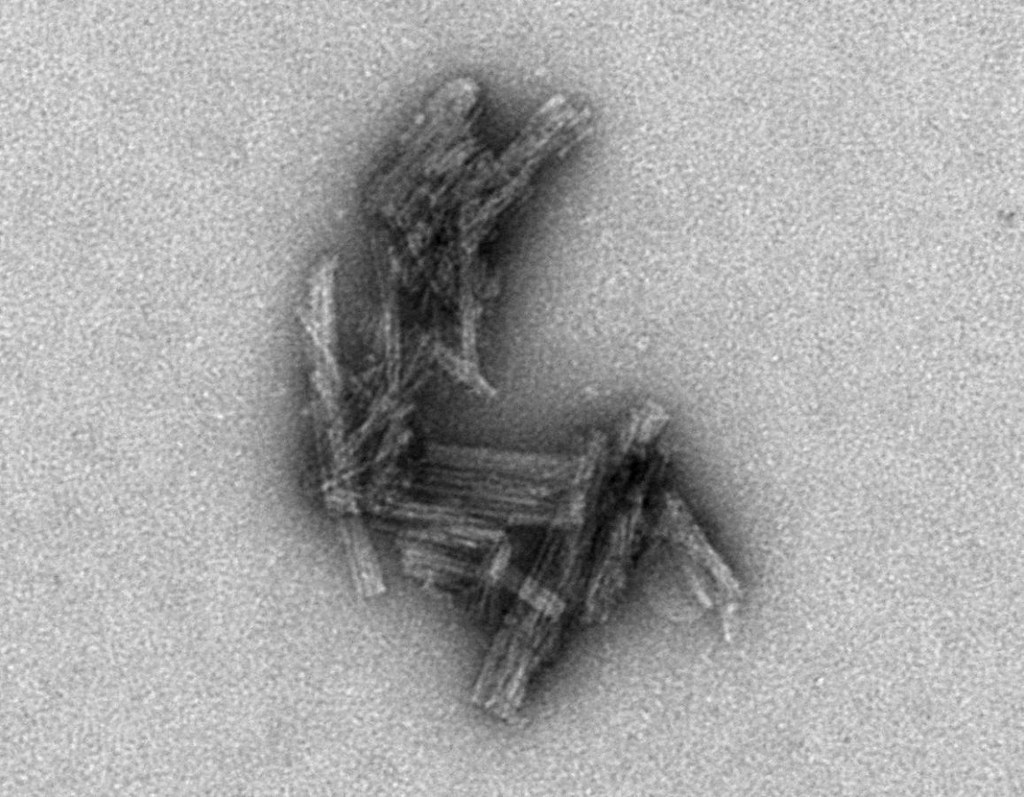
Today, scientists announced a major breakthrough in understanding how Alzheimer's disease spreads through the brain, a discovery that could potentially slow the disease's progression. This development, along with several other recent findings in the fields of health and medicine, has significant implications for our understanding and treatment of various diseases. As researchers continue to unravel the complexities of Alzheimer's and other conditions, we are seeing a shift towards more targeted and effective treatments.
Alzheimer's Spread and Treatment
According to a report from Health & Medicine News -- ScienceDaily, a common brain protein may be responsible for the spread of Alzheimer's disease, carrying toxic Tau proteins from damaged neurons into healthy ones. By blocking these harmful protein packages, researchers believe it may be possible to slow the disease's progression. This discovery has the potential to significantly impact the lives of millions of people affected by Alzheimer's.
The background context for this discovery is rooted in our understanding of Alzheimer's disease as a complex and multifaceted condition. While the exact causes of the disease are still not fully understood, research has shown that the accumulation of Tau proteins in the brain is a key factor in the disease's progression. The identification of a specific protein responsible for the spread of these toxic proteins is a major breakthrough, and one that could lead to the development of new treatments.
As researchers move forward with this discovery, they will likely focus on developing therapies that can effectively block the harmful protein packages. This could involve the use of small molecule inhibitors or other targeted treatments. While there is still much work to be done, the potential for this discovery to improve the lives of people with Alzheimer's is significant.
In addition to the potential for new treatments, this discovery also highlights the importance of continued research into the underlying causes of Alzheimer's. By better understanding the mechanisms by which the disease spreads, researchers can develop more effective strategies for prevention and treatment. As noted by Health & Medicine News -- ScienceDaily, this discovery could be a major step forward in the fight against Alzheimer's.
Cholesterol Testing and Treatment
A new study suggests that apoB, a blood test that measures harmful cholesterol particles, is better than standard LDL cholesterol testing for deciding who needs more intensive treatment. According to Health & Medicine News -- ScienceDaily, researchers found that apoB could prevent more heart attacks and strokes while remaining cost-effective for the U.S. healthcare system. This discovery has significant implications for the way we approach cholesterol testing and treatment.
The context for this discovery is rooted in our understanding of cholesterol and its role in cardiovascular health. While LDL cholesterol has long been seen as a key indicator of cardiovascular risk, the use of apoB as a more targeted measure of harmful cholesterol particles could lead to more effective treatment strategies. By identifying individuals who are at higher risk of heart attacks and strokes, healthcare providers can take a more proactive approach to prevention and treatment.
As researchers move forward with this discovery, they will likely focus on developing guidelines for the use of apoB in clinical practice. This could involve the development of new treatment protocols and guidelines for healthcare providers. The potential for apoB to improve cardiovascular health is significant, and this discovery could lead to a major shift in the way we approach cholesterol testing and treatment.
In addition to the potential for improved treatment outcomes, this discovery also highlights the importance of continued research into the underlying causes of cardiovascular disease. By better understanding the mechanisms by which cholesterol contributes to cardiovascular risk, researchers can develop more effective strategies for prevention and treatment. As noted by Health & Medicine News -- ScienceDaily, this discovery could be a major step forward in the fight against heart attacks and strokes.
Alzheimer's Cell Death and Deep Sleep
Researchers have identified a previously overlooked mechanism of brain cell death that appears to play a major role in Alzheimer's disease and frontotemporal dementia. According to Health & Medicine News -- ScienceDaily, this finding could lead to new treatments aimed at slowing neuron loss by interrupting the process before cells are destroyed. In addition, scientists have discovered the deep sleep circuit that builds muscle, burns fat, and boosts the brain, revealing how the two regulate each other.
The context for these discoveries is rooted in our understanding of brain function and neuron health. While the exact mechanisms by which Alzheimer's and other neurodegenerative diseases contribute to brain cell death are complex and multifaceted, research has shown that the identification of key mechanisms and pathways is crucial for the development of effective treatments. The discovery of a previously overlooked mechanism of brain cell death is a major breakthrough, and one that could lead to the development of new therapies.
In addition to the potential for new treatments, these discoveries also highlight the importance of continued research into the underlying causes of neurodegenerative diseases. By better understanding the mechanisms by which these diseases contribute to brain cell death, researchers can develop more effective strategies for prevention and treatment. As noted by Health & Medicine News -- ScienceDaily, these discoveries could be major steps forward in the fight against Alzheimer's and other neurodegenerative diseases.
As researchers move forward with these discoveries, they will likely focus on developing therapies that can effectively interrupt the process of brain cell death. This could involve the use of small molecule inhibitors or other targeted treatments. While there is still much work to be done, the potential for these discoveries to improve the lives of people with Alzheimer's and other neurodegenerative diseases is significant.
Cancer Treatment and Metabolism
A UCLA study has identified a hidden Achilles' heel in aggressive small cell cancers that have resisted new treatments for decades. According to Health & Medicine News -- ScienceDaily, scientists found that tumors lacking the RB gene become critically dependent on the protein E2F3 for survival. Blocking E2F3 shut down tumor growth in laboratory models, and existing FDA-approved drugs may be able to exploit this vulnerability.
The context for this discovery is rooted in our understanding of cancer biology and tumor metabolism. While the exact mechanisms by which cancer cells grow and survive are complex and multifaceted, research has shown that the identification of key vulnerabilities and pathways is crucial for the development of effective treatments. The discovery of a hidden Achilles' heel in aggressive small cell cancers is a major breakthrough, and one that could lead to the development of new therapies.
In addition to the potential for new treatments, this discovery also highlights the importance of continued research into the underlying causes of cancer. By better understanding the mechanisms by which cancer cells grow and survive, researchers can develop more effective strategies for prevention and treatment. As noted by Health & Medicine News -- ScienceDaily, this discovery could be a major step forward in the fight against cancer.
As researchers move forward with this discovery, they will likely focus on developing therapies that can effectively block E2F3. This could involve the use of small molecule inhibitors or other targeted treatments. While there is still much work to be done, the potential for this discovery to improve the lives of people with cancer is significant.
The bottom line
Today's discoveries have significant implications for our understanding and treatment of various diseases. From the spread of Alzheimer's disease to the importance of deep sleep and the vulnerabilities of cancer cells, these findings highlight the complexity and multifaceted nature of human health. As researchers continue to unravel the underlying causes of these diseases, we can expect to see the development of more targeted and effective treatments.
- Alzheimer's disease may be slowed by blocking the spread of toxic Tau proteins
- ApoB cholesterol testing may be more effective than standard LDL cholesterol testing for preventing heart attacks and strokes
- Deep sleep is crucial for building muscle, burning fat, and boosting the brain
- Cancer cells may be vulnerable to treatments that block the protein E2F3
- Continued research into the underlying causes of diseases is crucial for the development of effective treatments
🚀 Built by Mapt
Like this site? Mapt builds websites, brands & growth engines — over text.
📄 Full episode transcript
Researchers have just made the groundbreaking discovery that a common brain protein may be responsible for spreading Alzheimer's disease throughout the brain, carrying toxic Tau proteins from damaged neurons into healthy ones. This finding is monumental, as it reveals a potential new target for therapy, and by blocking these harmful protein packages before they reach new cells, it may one day be possible to slow the disease's relentless progression. For years, scientists have been searching for a way to halt the spread of Alzheimer's, and this breakthrough could be the key to unlocking new treatments and improving the lives of millions of people affected by the disease.
The implications of this discovery are vast, and it's a crucial step forward in the fight against Alzheimer's. But moving on to another crucial health topic, it turns out that millions of people may be getting the wrong cholesterol test, which could be putting them at risk for heart attacks and strokes. A new study suggests that the apoB blood test, which measures harmful cholesterol particles, is more effective than standard LDL cholesterol testing in deciding who needs more intensive treatment. This is important because it could prevent more heart attacks and strokes while remaining cost-effective for the U.S. healthcare system, which is a significant concern for many people.
Speaking of Alzheimer's, scientists may have also finally found how the disease kills brain cells, which is a major milestone in understanding the disease. Researchers have identified a previously overlooked mechanism of brain cell death that appears to play a major role in Alzheimer's disease and frontotemporal dementia. This finding could lead to new treatments aimed at slowing neuron loss by interrupting the process before cells are destroyed, which would be a game-changer for people affected by these diseases.
On a related note, getting enough deep sleep is crucial for our overall health, and now scientists have discovered the deep sleep circuit that builds muscle, burns fat, and boosts the brain. It turns out that the brain circuitry that links deep sleep with the release of growth hormone is more complex than previously thought, and this feedback loop helps explain why poor sleep can interfere with growth, muscle repair, fat metabolism, and brain function. Understanding this system could pave the way for new therapies for sleep disorders and diseases tied to metabolism and the brain, including Alzheimer's and Parkinson's.
Finally, in a major breakthrough for cancer research, a hidden weakness in deadly cancers could lead to powerful new treatments. A UCLA study has identified a hidden Achilles' heel in aggressive small cell cancers that have resisted new treatments for decades, and scientists found that tumors lacking the RB gene become critically dependent on the protein E2F3 for survival. Blocking E2F3 shut down tumor growth in laboratory models, and existing FDA-approved drugs may be able to exploit this vulnerability, which could pave the way for faster development of more effective therapies.
And that's all for today, but tune in tomorrow when we'll be exploring the shocking link between air pollution and neurological disorders, and what you can do to protect yourself.