Vision, Diet, Cancer Breakthroughs
New discoveries in vision, diet, and cancer research offer promising insights for human health
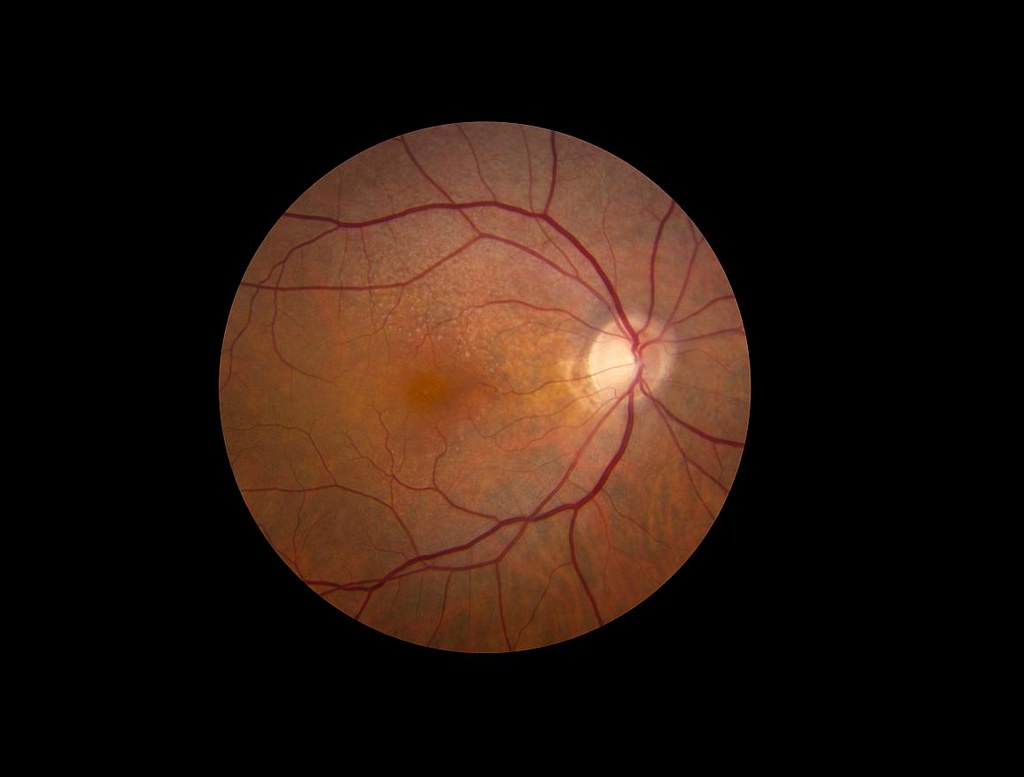
Vision Discovery
A recent study published in Health & Medicine News -- ScienceDaily has found that vitamin A plays a crucial role in the development of sharp central vision in humans. The study discovered that blue cone cells transform into red and green cones under the influence of vitamin A-related signals and thyroid hormones, rather than migrating away from the retina's center as previously thought. This finding has significant implications for our understanding of human vision and could lead to improved lab-grown retinal tissue and future cell therapies to restore vision lost to age-related eye diseases.
According to the study, the discovery was made possible by advances in imaging technology and the use of vitamin A-related signals to study the development of cone cells in the retina. The researchers found that the transformation of blue cone cells into red and green cones is a critical step in the development of sharp central vision, and that vitamin A plays a key role in this process.
The implications of this discovery are far-reaching, and could lead to the development of new treatments for age-related eye diseases such as macular degeneration. As noted by the researchers, the study's findings could also improve our understanding of how the retina develops and functions, and could lead to the development of more effective therapies for vision loss.
In context, it is worth noting that the development of the retina and the formation of cone cells is a complex process that involves the coordinated action of multiple cell types and signaling pathways. The discovery of the role of vitamin A in this process highlights the importance of continued research into the mechanisms underlying human vision and the development of new therapies for vision loss.
Diet and Longevity
A recent study published in Health & Medicine News -- ScienceDaily has found that a modified Mediterranean-style diet with low protein and just enough methionine can help mice live healthier lives while reducing body fat and frailty. The study found that the diet, which is rich in fruits, vegetables, and whole grains, can help to promote healthy aging and reduce the risk of age-related diseases.
According to the researchers, the key to the diet's success lies in its ability to promote healthy metabolism and reduce inflammation. The study found that the diet helped to improve the mice's overall health and reduce their risk of age-related diseases, including obesity and Type 2 diabetes.
The study's findings have significant implications for human health, and suggest that a similar diet could be beneficial for people as well. As noted by the researchers, the study's results are supported by human data, which links lower animal protein intake to lower rates of obesity and Type 2 diabetes.
In context, it is worth noting that the Mediterranean diet has long been recognized as one of the healthiest diets in the world, and has been associated with a reduced risk of chronic diseases such as heart disease and cancer. The study's findings highlight the importance of continued research into the effects of diet on human health, and suggest that a modified Mediterranean-style diet could be a useful tool for promoting healthy aging and reducing the risk of age-related diseases.
Cancer Research
Researchers have made a major breakthrough in cancer research, cracking the code behind bacteria's ability to naturally manufacture multiple versions of powerful anti-cancer drugs. The discovery, which was published in Health & Medicine News -- ScienceDaily, could make it much easier to engineer new cancer treatments inspired by nature.
According to the researchers, the discovery was made possible by advances in genomic sequencing and the use of computational modeling to study the bacteria's ability to produce anti-cancer compounds. The study found that the bacteria use a complex system of enzymes and metabolic pathways to produce the compounds, and that this system can be harnessed to produce new cancer treatments.
The implications of this discovery are significant, and could lead to the development of more effective cancer treatments. As noted by the researchers, the study's findings could also lead to the development of improved versions of existing medicines, and could help to reduce the risk of drug resistance in cancer treatment.
In context, it is worth noting that cancer is a major public health problem, and that the development of new and effective cancer treatments is a major priority for researchers and clinicians. The study's findings highlight the importance of continued research into the mechanisms underlying cancer, and suggest that the use of natural products and computational modeling could be a useful approach for developing new cancer treatments.
Cancer Vaccines
Researchers have made a major breakthrough in the development of cancer vaccines, discovering that mRNA cancer vaccines can recruit an unexpected immune cell to launch powerful tumor-fighting responses. The discovery, which was published in Health & Medicine News -- ScienceDaily, overturns a long-held assumption about how the vaccines work.
According to the researchers, the discovery was made possible by advances in immunology and the use of single-cell sequencing to study the immune response to cancer. The study found that the vaccines can recruit a type of immune cell called a dendritic cell, which plays a key role in launching tumor-fighting responses.
The implications of this discovery are significant, and could lead to the development of more effective cancer vaccines. As noted by the researchers, the study's findings could also help to tailor treatments for better patient outcomes, and could lead to the development of new therapies for cancer.
In context, it is worth noting that cancer vaccines are a major area of research, and that the development of effective vaccines is a major priority for clinicians and researchers. The study's findings highlight the importance of continued research into the mechanisms underlying cancer, and suggest that the use of mRNA vaccines and single-cell sequencing could be a useful approach for developing new cancer treatments.
The bottom line
In conclusion, the recent discoveries in vision, diet, and cancer research offer promising insights for human health. The discovery of the role of vitamin A in the development of sharp central vision, the finding that a modified Mediterranean-style diet can promote healthy aging, and the breakthroughs in cancer research all highlight the importance of continued research into the mechanisms underlying human health.
- The discovery of the role of vitamin A in the development of sharp central vision could lead to improved lab-grown retinal tissue and future cell therapies to restore vision lost to age-related eye diseases.
- A modified Mediterranean-style diet with low protein and just enough methionine can help mice live healthier lives while reducing body fat and frailty, and could be beneficial for human health as well.
- The breakthroughs in cancer research, including the discovery of the code behind bacteria's ability to naturally manufacture multiple versions of powerful anti-cancer drugs and the finding that mRNA cancer vaccines can recruit an unexpected immune cell to launch powerful tumor-fighting responses, could lead to the development of more effective cancer treatments and vaccines.
- The study's findings highlight the importance of continued research into the mechanisms underlying human health, and suggest that the use of natural products, computational modeling, and single-cell sequencing could be a useful approach for developing new treatments for vision loss, age-related diseases, and cancer.
- Simple education about proper weekly dosing and gradual dose increases of semaglutide (Ozempic and Wegovy) could help prevent many of the avoidable incidents of accidental dosing mistakes.
🚀 Built by Mapt
Like this site? Mapt builds websites, brands & growth engines — over text.
📄 Full episode transcript
83 percent of poison control calls related to the popular weight loss drugs Ozempic and Wegovy were caused by accidental dosing mistakes, a staggering number that highlights the urgent need for patient education on proper usage. This trend began after semaglutide was approved for weight management, and it's clear that many people are not using the medication as directed, resulting in a surge of calls to poison control centers. The good news is that these incidents are largely preventable, and simple education about proper weekly dosing and gradual dose increases could help avoid many of these mistakes.
Moving on to some more promising news, a recent discovery about vitamin A is changing our understanding of how humans develop sharp central vision before birth. It turns out that blue cone cells don't migrate away from the retina's center as previously thought, but instead transform into red and green cones under the influence of vitamin A-related signals and thyroid hormones. This finding could have significant implications for the development of lab-grown retinal tissue and potentially even cell therapies to restore vision lost to age-related eye diseases, offering new hope for people struggling with vision loss.
Speaking of promising developments, scientists have also made a breakthrough in the quest for a longevity diet, and the results are nothing short of remarkable. By feeding mice a modified Mediterranean-style diet with low protein and just enough methionine, researchers were able to help the mice live healthier lives while reducing body fat and frailty. But here's the really interesting part: human data suggests that this approach could be beneficial for people as well, with lower animal protein intake linked to lower rates of obesity and Type 2 diabetes. This could be a game-changer for people looking to make sustainable lifestyle changes and improve their overall health.
In other news, scientists have cracked the code behind bacteria's ability to naturally manufacture multiple versions of powerful anti-cancer drugs, a discovery that could make it much easier to engineer new cancer treatments inspired by nature. This breakthrough has the potential to lead to improved versions of existing medicines and could even pave the way for entirely new classes of cancer drugs. And if that's not enough, researchers have also found that mRNA cancer vaccines can recruit an unexpected immune cell to launch powerful tumor-fighting responses, overturning a long-held assumption about how these vaccines work. This could lead to more effective cancer vaccines and help scientists tailor treatments for better patient outcomes, bringing us one step closer to beating this devastating disease.
As we continue to push the boundaries of medical research and discovery, it's exciting to think about what the future might hold – and that's exactly what we'll be exploring next time on Health Edge Daily, with a look at the revolutionary new technology that's enabling scientists to edit human genes with unprecedented precision and accuracy.