Chili Pepper Consumption Linked to 20,000 US Cancer Cases Annually
New studies reveal surprising health risks and potential aging benefits
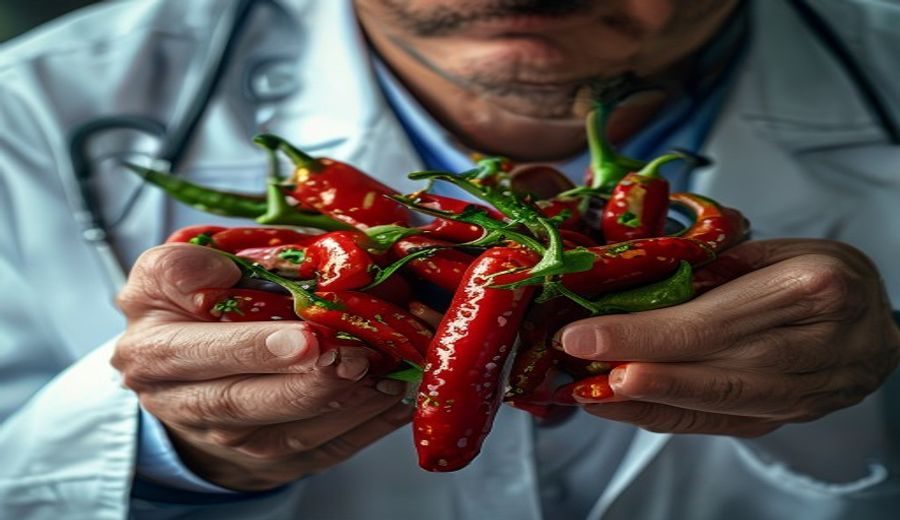
Chili Peppers and Cancer Risk
A major review published in Health & Medicine News -- ScienceDaily found that people who consumed the most chili peppers had a substantially higher risk of esophageal cancer. According to the study, the evidence was less clear for stomach and colorectal cancers. Researchers emphasize that the findings show an association, not proof of cause and effect, and that more research is needed to determine whether moderate consumption carries similar risks.
The study's findings are significant, as esophageal cancer is a deadly disease with a poor prognosis. The American Cancer Society estimates that over 20,000 new cases of esophageal cancer will be diagnosed in the United States this year, resulting in approximately 15,000 deaths. Understanding the potential risk factors for this disease is crucial for developing effective prevention and treatment strategies.
As context, it is essential to note that a diet rich in fruits and vegetables is generally associated with a lower risk of various types of cancer. However, the relationship between specific foods, such as chili peppers, and cancer risk is complex and requires further investigation. More research is needed to fully understand the potential health effects of consuming chili peppers and to provide evidence-based recommendations for the general public.
The study's authors recommend that individuals who consume large amounts of chili peppers be aware of the potential risks and take steps to reduce their exposure. This may include limiting their intake of chili peppers or adopting other lifestyle modifications to mitigate the potential risks. As with any dietary recommendation, it is crucial to consult with a healthcare professional before making significant changes to one's diet.
Weight-Loss Drugs and Aging
Researchers have found that semaglutide, the active ingredient in Ozempic and Wegovy, slowed biological aging markers in adults with HIV. This study, published in Health & Medicine News -- ScienceDaily, marks the first clinical evidence that the drug may influence human aging. Although the findings are encouraging, scientists say larger studies are needed before concluding that the medication can help people age more slowly.
The study's findings are significant, as biological aging is a complex process that affects various aspects of human health. Biological aging refers to the gradual decline in physical and cognitive function that occurs as we age. Understanding the factors that influence biological aging is crucial for developing effective strategies to promote healthy aging and prevent age-related diseases.
As context, it is essential to note that Ozempic and Wegovy are medications primarily used to treat type 2 diabetes and obesity. The drugs work by mimicking the action of a natural hormone that helps regulate blood sugar levels and appetite. While the study's findings suggest that semaglutide may have anti-aging effects, more research is needed to fully understand the potential benefits and risks of using these medications for this purpose.
The study's authors recommend that further research be conducted to confirm the findings and to explore the potential applications of semaglutide in promoting healthy aging. This may include investigating the effects of the drug on various aging markers, such as telomere length and epigenetic age, as well as its potential to prevent or treat age-related diseases.
The bottom line
The two studies highlight the complex relationships between diet, medication, and human health. While eating chili peppers may raise the risk of one deadly cancer, popular weight-loss drugs Ozempic and Wegovy may slow biological aging. As researchers continue to uncover the intricacies of human health, it is essential to stay informed about the latest findings and to consult with healthcare professionals before making significant changes to one's lifestyle.
- Consuming large amounts of chili peppers may increase the risk of esophageal cancer.
- Ozempic and Wegovy may slow biological aging markers in adults with HIV.
- More research is needed to fully understand the potential health effects of consuming chili peppers and using semaglutide for anti-aging purposes.
- Individuals should consult with healthcare professionals before making significant changes to their diet or medication regimen.
- Further studies are necessary to confirm the findings and to explore the potential applications of semaglutide in promoting healthy aging.
🚀 Built by Mapt
Like this site? Mapt builds websites, brands & growth engines — over text.