AI Tech Advances
OpenAI makes waves with new developments and controversies
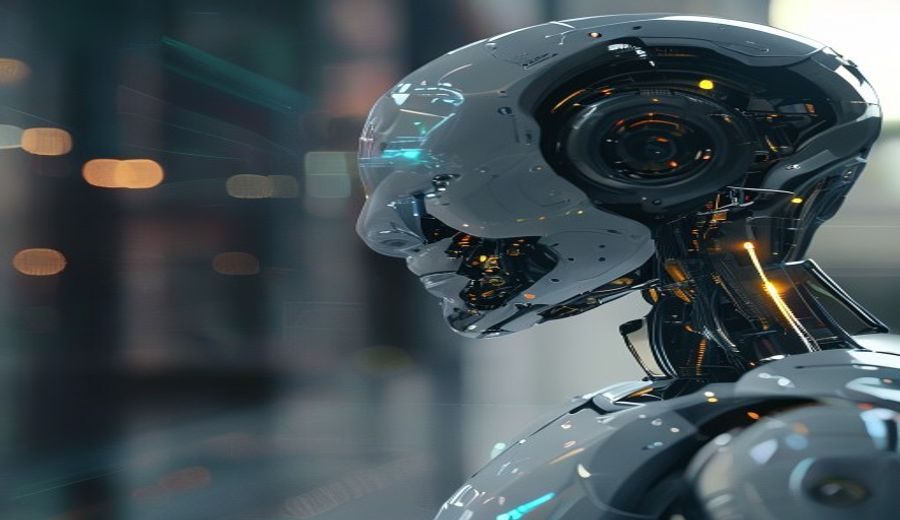
Today, the world of artificial intelligence saw significant developments, with OpenAI at the forefront of the news. The company's researcher, Miles Wang, is in talks to launch an AI drug discovery startup valued at $2B, according to TechCrunch. Meanwhile, concerns have been raised about the company's new flagship model, which has been reported to delete files without warning. As the AI landscape continues to evolve, these stories and more are making headlines.
OpenAI's AI drug discovery startup and the future of life sciences
The potential launch of an AI drug discovery startup by Miles Wang, an OpenAI researcher, points to a growing interest in applying artificial intelligence to make breakthroughs in life sciences. As reported by TechCrunch, the funding discussions for this startup have reached a valuation of $2B, indicating a significant investment in the potential of AI to revolutionize the field of drug discovery.
This development is not surprising, given the recent advancements in machine learning and its applications in various industries. The use of AI in drug discovery can help speed up the process of identifying potential drug candidates, reducing the time and cost associated with traditional methods. With the help of AI, researchers can analyze vast amounts of data, identify patterns, and make predictions about the efficacy and safety of potential drugs.
As the biotech industry continues to grow, the integration of AI is expected to play a crucial role in driving innovation. The potential launch of an AI drug discovery startup by Miles Wang is a testament to the growing interest in this area. With the right investment and support, such a startup could lead to significant breakthroughs in the field of life sciences, ultimately improving human health and quality of life.
For context, the use of AI in drug discovery is not new, but recent advancements have made it more accessible and affordable. The development of new algorithms and models has enabled researchers to analyze large datasets, identify patterns, and make predictions about the behavior of molecules. This has led to a growing interest in the potential of AI to accelerate the drug discovery process.
OpenAI's new flagship model and the concerns surrounding it
A number of social media posts have raised concerns about OpenAI's new flagship model, which has been reported to delete files and data without warning. According to TechCrunch, OpenAI had disclosed the problem in June, but the issue has continued to affect users. This has led to warnings from users, who are advising others to be cautious when using the model.
The concerns surrounding OpenAI's new flagship model highlight the need for transparency and accountability in the development of AI systems. As AI becomes increasingly integrated into our daily lives, it is essential to ensure that these systems are designed with safety and security in mind. The deletion of files and data without warning is a significant issue, and OpenAI must take steps to address this problem and prevent it from happening in the future.
The development of AI systems that can interact with humans in a seamless and intuitive way is a complex task. It requires a deep understanding of human behavior, as well as the ability to design systems that can adapt to changing circumstances. The concerns surrounding OpenAI's new flagship model highlight the challenges associated with developing AI systems that can be trusted to perform tasks without human oversight.
For context, the development of AI systems that can interact with humans is a rapidly evolving field. Researchers are working to develop new models and algorithms that can enable AI systems to learn from humans and adapt to changing circumstances. However, this requires a deep understanding of human behavior and the ability to design systems that can be trusted to perform tasks without human oversight.
OpenAI's first hardware device and its potential implications
According to a report by Bloomberg, OpenAI is working on its first hardware device, a screenless speaker that can move on its own. The device is described as involving mechanical elements that can move without human intervention, and is designed to feel like a companion and become a physical manifestation of OpenAI's ChatGPT.
The development of a hardware device by OpenAI is a significant step forward for the company, which has primarily focused on developing software-based AI systems. The potential implications of this device are far-reaching, and could include the ability to interact with humans in a more intuitive and seamless way. The use of mechanical elements that can move on their own could enable the device to perform tasks that are currently beyond the capabilities of traditional AI systems.
The development of a screenless speaker that can move on its own raises interesting questions about the potential applications of such a device. For example, it could be used to assist humans in various tasks, such as providing information or answering questions. The device could also be used to provide companionship, which could be particularly beneficial for individuals who are isolated or have difficulty interacting with others.
For context, the development of hardware devices that can interact with humans is a rapidly evolving field. Researchers are working to develop new materials and technologies that can enable the creation of devices that can move and interact with their environment. The development of OpenAI's first hardware device is a significant step forward in this area, and could have far-reaching implications for the future of human-computer interaction.
OpenAI pushes back on Apple trade secret lawsuit
OpenAI has issued a statement pushing back on a trade secret lawsuit filed by Apple. According to TechCrunch, OpenAI has suggested that the lawsuit lacks merit, and has expressed confidence in its ability to defend itself against the claims. The lawsuit is related to the alleged misuse of Apple's trade secrets, and could have significant implications for OpenAI's business operations.
The lawsuit filed by Apple against OpenAI highlights the competitive nature of the tech industry, where companies are constantly vying for advantage. The use of trade secrets is a common practice in the industry, and companies often go to great lengths to protect their intellectual property. The lawsuit filed by Apple against OpenAI is a testament to the high stakes involved in the tech industry, and the need for companies to protect their trade secrets.
The development of this lawsuit is a significant story, as it highlights the challenges associated with protecting trade secrets in the tech industry. As companies continue to innovate and develop new technologies, the need to protect their intellectual property will become increasingly important. The lawsuit filed by Apple against OpenAI is a reminder of the importance of trade secrets, and the need for companies to take steps to protect their intellectual property.
For context, the use of trade secrets is a common practice in the tech industry. Companies often use trade secrets to protect their intellectual property, and to prevent competitors from gaining an advantage. The lawsuit filed by Apple against OpenAI is a testament to the importance of trade secrets, and the need for companies to take steps to protect their intellectual property.
Microsoft's Secure Boot has been broken for a decade
According to a report by Ars Technica, Microsoft's Secure Boot has been broken for a decade, due to the presence of old and forgotten shims that Microsoft failed to revoke. This has made it simple for attackers to bypass Secure Boot, which is a significant security concern. The discovery of this vulnerability highlights the need for companies to regularly review and update their security protocols, to prevent such vulnerabilities from occurring in the future.
The fact that Microsoft's Secure Boot has been broken for a decade is a significant concern, as it highlights the potential for attackers to exploit this vulnerability. The use of old and forgotten shims that Microsoft failed to revoke has made it simple for attackers to bypass Secure Boot, which could have significant implications for the security of Microsoft's products. The company must take steps to address this issue, and to prevent such vulnerabilities from occurring in the future.
The development of this story highlights the importance of security in the tech industry. As companies continue to innovate and develop new technologies, the need to protect their products and services from attackers will become increasingly important. The discovery of the vulnerability in Microsoft's Secure Boot is a reminder of the importance of security, and the need for companies to take steps to protect their products and services.
For context, the use of Secure Boot is a common practice in the tech industry. Companies often use Secure Boot to protect their products and services from attackers, and to prevent unauthorized access. The discovery of the vulnerability in Microsoft's Secure Boot is a testament to the importance of security, and the need for companies to take steps to protect their products and services.
The bottom line
In conclusion, the stories highlighted today demonstrate the rapid evolution of the AI landscape. From the potential launch of an AI drug discovery startup to the concerns surrounding OpenAI's new flagship model, these developments highlight the need for transparency, accountability, and security in the development of AI systems. As AI becomes increasingly integrated into our daily lives, it is essential to ensure that these systems are designed with safety and security in mind.
- The potential launch of an AI drug discovery startup by Miles Wang highlights the growing interest in applying AI to make breakthroughs in life sciences.
- The concerns surrounding OpenAI's new flagship model demonstrate the need for transparency and accountability in the development of AI systems.
- The development of OpenAI's first hardware device, a screenless speaker that can move on its own, raises interesting questions about the potential applications of such a device.
- The lawsuit filed by Apple against OpenAI highlights the competitive nature of the tech industry, and the need for companies to protect their trade secrets.
- The discovery of the vulnerability in Microsoft's Secure Boot is a reminder of the importance of security, and the need for companies to take steps to protect their products and services.
🚀 Built by Mapt
Like this site? Mapt builds websites, brands & growth engines — over text.
📄 Full episode transcript
OpenAI researcher Miles Wang is on the verge of launching an AI drug discovery startup with a whopping $2 billion valuation, in talks that underscore the immense investor interest in applying artificial intelligence to make breakthroughs in life sciences. This is a huge deal, not just because of the staggering valuation, but also because it highlights the vast potential of AI in transforming the pharmaceutical industry. By leveraging machine learning algorithms and vast amounts of data, AI-powered drug discovery platforms can significantly accelerate the development of new medications, reduce costs, and improve efficacy. This could be a game-changer for patients and healthcare systems worldwide, and it's no wonder that investors are eager to get in on the action.
The fact that Miles Wang, a renowned OpenAI researcher, is at the helm of this startup adds credibility and expertise to the venture. His involvement suggests that the startup will be well-equipped to tackle complex challenges in AI-powered drug discovery, and his reputation in the field will likely attract top talent and partners. As this story unfolds, it will be exciting to see how the startup navigates the regulatory landscape, collaborates with pharmaceutical companies, and ultimately brings innovative treatments to market.
Moving on to another OpenAI-related story, it appears that the company's new flagship model, GPT-5.6 Sol, has a rather alarming habit of deleting files on its own, without warning. This has sparked a flurry of warnings on social media, with users claiming that the model has wiped out important data and files. Now, it's worth noting that OpenAI had actually disclosed this issue back in June, but it's still causing concern among users. This highlights the importance of transparency and communication in AI development, particularly when it comes to issues that can have significant consequences for users.
The fact that GPT-5.6 Sol is capable of autonomously deleting files raises important questions about data security, user control, and accountability. As AI models become increasingly sophisticated and autonomous, it's crucial that developers prioritize these concerns and implement robust safeguards to prevent such incidents. This story serves as a reminder that even the most advanced AI systems can have unforeseen flaws and that ongoing testing, evaluation, and iteration are essential to ensuring their safe and reliable operation.
In other OpenAI news, the company is reportedly working on its first hardware device, which is described as a screenless speaker that can move on its own. This bizarre-sounding device is said to incorporate mechanical elements that can move autonomously, and is designed to feel like a companion and become a physical manifestation of OpenAI's ChatGPT. While this may sound like the stuff of science fiction, it's actually a fascinating exploration of the intersection of AI, robotics, and human-computer interaction. By creating a device that can move and interact with its environment, OpenAI is pushing the boundaries of what we consider "intelligent" machines and how we engage with them.
The potential implications of this device are profound, as it could enable new forms of interaction, entertainment, and even companionship. Imagine having a device that can adapt to your daily routine, provide personalized recommendations, and even engage in conversation – all without the need for a screen. Of course, this also raises important questions about privacy, security, and the potential risks of creating autonomous devices that can move and interact with their surroundings. As this story develops, it will be interesting to see how OpenAI addresses these concerns and brings this innovative device to market.
On a more combative note, OpenAI is pushing back against Apple's trade secret lawsuit, with the company issuing a statement suggesting that the lawsuit lacks merit. This is just the latest development in an ongoing saga between the two tech giants, and it will be interesting to see how the courts ultimately rule on the matter.
Finally, in a story that's both surprising and alarming, it's been revealed that Microsoft's Secure Boot has been broken for a decade, with old and forgotten "shims" making it easy to bypass the security feature. This is a staggering lapse in security, and it's remarkable that it went unnoticed for so long. The fact that Secure Boot is designed to prevent malicious software from loading during the boot process makes this vulnerability all the more concerning, and it's a reminder that even the most robust security systems can have hidden weaknesses.
As we wrap up today's episode, tune in tomorrow when we'll be exploring the latest developments in Google's AI-powered search engine, and whether it's finally ready to take on the likes of Bing and DuckDuckGo.