Hyperscale Ups Bitcoin
Hyperscale increases bitcoin stash to over 1,106 coins, bridging holdings
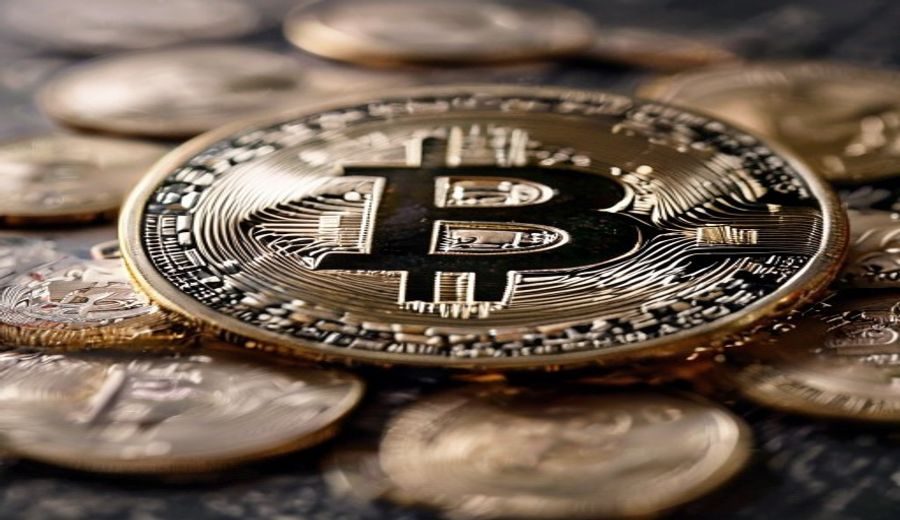
Hyperscale, a New York Stock Exchange-listed company, has increased its bitcoin stash to over 1,106 coins, according to Bitcoin Magazine. This move is significant as it shows the company's continued interest in investing in bitcoin. As reported by Bitcoin Magazine, Hyperscale has kept buying bitcoin, bridging its holdings to a substantial amount.
Hyperscale's Bitcoin Investment
The decision by Hyperscale to increase its bitcoin holdings is a notable development in the crypto world. As Bitcoin Magazine notes, this move demonstrates the company's confidence in the potential of bitcoin. With over 1,106 coins, Hyperscale's investment in bitcoin is substantial, and it will be interesting to see how this affects the company's financials in the future.
For those unfamiliar with bitcoin and its significance, it is a type of cryptocurrency that has gained popularity in recent years. Bitcoin is decentralized, meaning it is not controlled by any government or institution, and it allows for peer-to-peer transactions without the need for intermediaries. The fact that a company like Hyperscale is investing heavily in bitcoin suggests that it believes in the potential of this technology.
The context of Hyperscale's investment in bitcoin is also important to consider. In recent years, there has been a growing trend of companies investing in cryptocurrencies like bitcoin. This is partly due to the potential for high returns on investment, as well as the desire to diversify portfolios. As Bitcoin Magazine reports, Hyperscale's decision to increase its bitcoin holdings is a significant development in this trend.
STRC Buybacks and Bitcoin
In another development, Bitcoin Magazine has reported on the logic behind STRC preferred stock buybacks. According to the publication, understanding the logic behind these buybacks starts with familiarity around Strategy's newest metric. This is an important consideration for investors who are interested in bitcoin and other cryptocurrencies.
The relationship between STRC buybacks and bitcoin is complex, and it requires a deep understanding of the underlying metrics. As Bitcoin Magazine notes, the key to understanding this relationship is to analyze the net bitcoin per share and accretion. This requires a careful examination of the company's financials and investment strategy.
For those who are new to bitcoin and cryptocurrency investing, it is essential to understand the basics of STRC buybacks and how they relate to bitcoin. This includes familiarizing oneself with key terms like net bitcoin per share and accretion. As Bitcoin Magazine reports, having a solid grasp of these concepts is crucial for making informed investment decisions.
The context of STRC buybacks and bitcoin is also important to consider. In recent years, there has been a growing trend of companies using buybacks as a way to return value to shareholders. As Bitcoin Magazine notes, the relationship between STRC buybacks and bitcoin is a significant development in this trend.
Russia Charges Telegram Founder
In a separate development, Cointelegraph has reported that Russia's FSB has charged Telegram founder Pavel Durov with aiding terrorism. According to the publication, Durov faces a terrorism-related charge and an international arrest warrant. This is a significant development, and it has implications for the cryptocurrency and telecommunications industries.
The background to this story is complex, and it involves a long-standing dispute between Durov and the Russian government. As Cointelegraph notes, Durov has previously called Russia's criminal case against him "a sad spectacle of a state afraid of its own people." This suggests that the charges against Durov are politically motivated, and that they are part of a broader effort to suppress dissent and free speech in Russia.
The implications of this development are significant, and they have the potential to affect not just Durov but also the broader cryptocurrency and telecommunications industries. As Cointelegraph reports, the charges against Durov are a reminder of the risks and challenges faced by entrepreneurs and investors in these industries.
For those who are unfamiliar with the context of this story, it is essential to understand the background to the dispute between Durov and the Russian government. This includes familiarizing oneself with the history of Telegram and its relationship with the Russian government. As Cointelegraph notes, having a solid grasp of this context is crucial for understanding the implications of the charges against Durov.
The bottom line
In conclusion, the developments in the cryptocurrency and telecommunications industries are significant, and they have the potential to affect not just investors but also the broader economy. As Bitcoin Magazine, Cointelegraph, and Decrypt report, the key takeaways from these developments are:
- Hyperscale has increased its bitcoin stash to over 1,106 coins, bridging its holdings and demonstrating its confidence in the potential of bitcoin.
- The logic behind STRC buybacks is complex, and it requires a deep understanding of the underlying metrics, including net bitcoin per share and accretion.
- Russia's FSB has charged Telegram founder Pavel Durov with aiding terrorism, and he faces a terrorism-related charge and an international arrest warrant.
- The implications of these developments are significant, and they have the potential to affect not just investors but also the broader cryptocurrency and telecommunications industries.
- As the cryptocurrency and telecommunications industries continue to evolve, it is essential to stay informed about the latest developments and to understand the underlying trends and drivers.
🚀 Built by Mapt
Like this site? Mapt builds websites, brands & growth engines — over text.
📄 Full episode transcript
Hyperscale just bridged its Bitcoin holdings to over 1,106 coins, a staggering move that's got the entire crypto community talking. This New York Stock Exchange-listed company has been on a Bitcoin buying spree, and its latest acquisition is making headlines. But what's really interesting here is that Hyperscale's continued investment in Bitcoin is a clear indication that institutional players are still bullish on the cryptocurrency, despite the market's recent volatility. This move is also a testament to the growing mainstream acceptance of Bitcoin as a legitimate store of value and a viable investment opportunity.
The implications of Hyperscale's Bitcoin stash are significant, as it could pave the way for other institutional investors to follow suit. This, in turn, could lead to increased demand for Bitcoin, potentially driving up its price. Moreover, Hyperscale's investment in Bitcoin could also be seen as a vote of confidence in the cryptocurrency's potential for long-term growth. As we continue to see more institutional players enter the crypto space, it's likely that we'll see even more innovative use cases and applications for Bitcoin and other cryptocurrencies.
Moving on, let's take a closer look at STRC buybacks and what they mean for Bitcoin investors. In a recent analysis, Bitcoin Magazine broke down the math behind STRC's buybacks, revealing some interesting insights into the company's strategy. Essentially, the analysis shows that STRC's buybacks are designed to increase the net Bitcoin per share, which could lead to increased accretion for investors. This is a complex topic, but the bottom line is that STRC's buybacks could have a positive impact on Bitcoin investors, especially those holding STRC preferred stock.
But what's really important to understand here is the logic behind STRC's buybacks and how they fit into the company's overall strategy. As more companies begin to explore Bitcoin and other cryptocurrencies, we're likely to see even more innovative strategies emerge. This is an exciting time for the crypto space, and investors who stay informed and adapt quickly are likely to reap the rewards.
In other news, Telegram founder Pavel Durov is facing some serious heat from Russian authorities, who have charged him with aiding terrorism. This is a developing story, but it's clear that Durov's troubles with the Russian government are far from over. According to reports, Durov is now internationally wanted, with Russia's FSB issuing an arrest warrant for his alleged role in supporting terrorism.
This story is significant not just because of Durov's high profile, but also because of the implications it has for the broader crypto community. As governments around the world begin to take a closer look at cryptocurrency and its potential uses, we're likely to see even more cases like Durov's. This highlights the need for clear regulations and guidelines around cryptocurrency, as well as the importance of protecting individual freedoms and rights in the face of government overreach.
As we wrap up today's episode, stay tuned for tomorrow's show, when we'll be exploring the latest developments in the Ethereum merge and what it means for the future of the crypto space.