Caffeine and Psilocybin Research
New studies reveal the effects of caffeine and psilocybin on heart health and brain activity
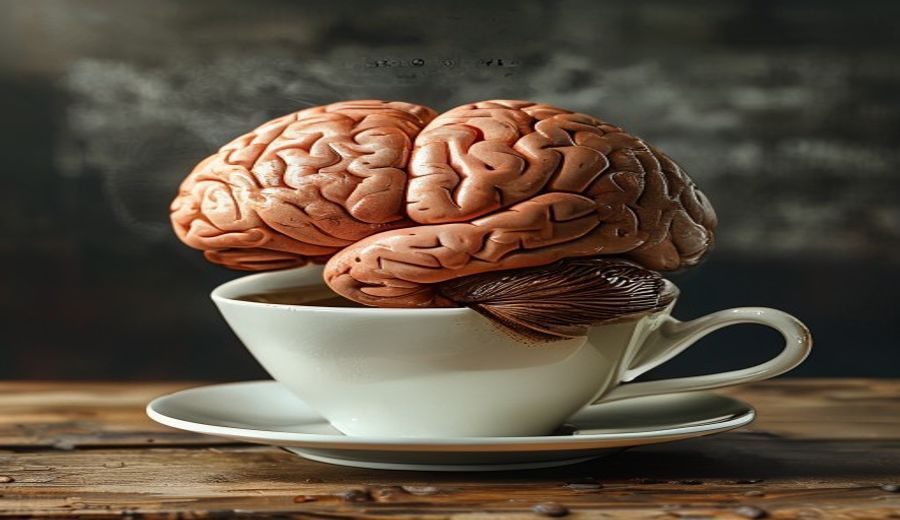
As the world grapples with the complexities of modern health, two new studies have shed light on the effects of everyday substances on our bodies. A daily caffeine habit may be safer for the heart than many people assume, while psilocybin, found in magic mushrooms, may reshape the brain long after the trip ends. These findings have significant implications for our understanding of heart health and brain activity.
Caffeine and Heart Health
A new American Heart Association review, as reported by Health & Medicine News -- ScienceDaily, found that up to 400 milligrams of caffeine a day, roughly three to five cups of regular black coffee, is generally safe and may even be linked to lower risks of heart disease, stroke, heart failure, and Type 2 diabetes. This is welcome news for the millions of people who rely on their daily cup of coffee to get them going. However, the source of caffeine matters, with highly concentrated energy drinks and shots capable of sharply raising blood pressure and triggering irregular heart rhythms.
According to the review, the majority of adults can safely consume caffeine without worrying about adverse effects on their heart health. In fact, moderate caffeine consumption may even have cardiovascular benefits. As noted by Health & Medicine News -- ScienceDaily, this is a significant finding, given the widespread consumption of caffeine in various forms. However, it is essential to be mindful of the potential risks associated with energy drinks and shots, which can have devastating consequences for heart health.
The context behind this study is rooted in the long-standing debate about the effects of caffeine on heart health. For years, caffeine has been viewed with skepticism, with many assuming it to be a potential risk factor for heart disease. However, as research has progressed, it has become clear that moderate caffeine consumption is not only safe but may also have cardiovascular benefits. As the American Heart Association review highlights, the key is to be aware of the source and amount of caffeine consumed, avoiding highly concentrated energy drinks and shots.
As the scientific community continues to explore the relationship between caffeine and heart health, it is likely that we will see further research into the potential benefits and risks of moderate caffeine consumption. For now, the takeaway is clear: for most adults, a daily caffeine habit is generally safe and may even have cardiovascular benefits. As reported by Health & Medicine News -- ScienceDaily, this is a significant finding that could have a positive impact on public health.
Psilocybin and Brain Activity
A new study, also reported by Health & Medicine News -- ScienceDaily, has found that a single dose of psilocybin can produce measurable changes in brain activity and possible changes in brain structure that last for up to a month. This is a significant finding, as it suggests that the psychedelic experience itself may help people break free from entrenched patterns of thinking. Participants who experienced the greatest increase in flexible, varied brain activity also reported more personal insight and later improvements in well-being.
The study's findings have significant implications for our understanding of the human brain and its potential for change. As noted by Health & Medicine News -- ScienceDaily, the psychedelic experience has long been viewed with skepticism, with many assuming it to be a potential risk factor for mental health problems. However, as research has progressed, it has become clear that psilocybin may have therapeutic benefits, particularly in the treatment of depression and anxiety.
The context behind this study is rooted in the growing interest in psychedelic research and its potential applications in mental health treatment. For years, psilocybin has been viewed as a potential therapeutic agent, with many researchers exploring its potential benefits in the treatment of depression, anxiety, and other mental health conditions. As the study highlights, the key to unlocking the therapeutic potential of psilocybin lies in its ability to produce measurable changes in brain activity and possible changes in brain structure.
As the scientific community continues to explore the relationship between psilocybin and brain activity, it is likely that we will see further research into the potential benefits and risks of psychedelic therapy. For now, the takeaway is clear: psilocybin may have a profound impact on brain activity and well-being, with significant implications for the treatment of mental health conditions. As reported by Health & Medicine News -- ScienceDaily, this is a significant finding that could have a positive impact on public health.
The bottom line
In conclusion, the two studies highlighted in this article have significant implications for our understanding of heart health and brain activity. The American Heart Association review highlights the safety of moderate caffeine consumption, while the psilocybin study suggests that the psychedelic experience itself may help people break free from entrenched patterns of thinking. As we move forward, it is essential to continue exploring the potential benefits and risks of these substances, with a focus on their potential applications in public health.
- The American Heart Association review found that up to 400 milligrams of caffeine a day is generally safe and may be linked to lower risks of heart disease, stroke, heart failure, and Type 2 diabetes.
- A single dose of psilocybin can produce measurable changes in brain activity and possible changes in brain structure that last for up to a month.
- The psychedelic experience itself may help people break free from entrenched patterns of thinking, with significant implications for the treatment of mental health conditions.
- Further research is needed to fully understand the potential benefits and risks of caffeine and psilocybin, with a focus on their potential applications in public health.
- The studies highlighted in this article have significant implications for our understanding of heart health and brain activity, with potential applications in the treatment of heart disease and mental health conditions.
🚀 Built by Mapt
Like this site? Mapt builds websites, brands & growth engines — over text.
📄 Full episode transcript
Four hundred milligrams of caffeine, the amount found in just three to five cups of regular black coffee, may be the magic number for a healthier heart. That's according to a new review from the American Heart Association, which found that moderate caffeine consumption is not only safe for most adults, but it may even lower the risk of heart disease, stroke, heart failure, and Type 2 diabetes. This is a game-changer for coffee lovers, as it suggests that their daily habit could be having a positive impact on their cardiovascular health. But, as with anything, the source of the caffeine is crucial - energy drinks and shots are a different story altogether, with their highly concentrated doses capable of sharply raising blood pressure and triggering irregular heart rhythms.
The distinction between coffee and energy drinks is important, because while coffee may have a protective effect on the heart, energy drinks can have the opposite effect. This is likely due to the other ingredients found in energy drinks, such as sugar, salt, and other stimulants, which can have negative effects on the body. So, if you're looking to get a caffeine boost, it's best to stick with coffee or other low-calorie, low-sugar sources. And if you're concerned about the impact of caffeine on your heart health, it's always a good idea to talk to your doctor.
Moving on to another story that's making headlines in the world of health, new research suggests that magic mushrooms may have a lasting impact on the brain, even after the initial trip is over. A single dose of psilocybin, the active ingredient in magic mushrooms, was found to produce measurable changes in brain activity and possible changes in brain structure that lasted for up to a month. This is a significant finding, as it suggests that the psychedelic experience itself may be able to help people break free from entrenched patterns of thinking and behavior.
The study found that participants who experienced the greatest increase in flexible, varied brain activity also reported more personal insight and later improvements in well-being. This suggests that the psychedelic experience may be able to help people develop new perspectives and ways of thinking, which could have a lasting impact on their mental health and overall well-being. As researchers continue to explore the potential therapeutic benefits of psilocybin and other psychedelics, it's likely that we'll learn more about the ways in which these substances can be used to promote positive change and improve mental health.
Tune in tomorrow when we'll be exploring the surprising link between air pollution and cognitive decline.