AI filmmaking acquisition
Netflix pays $587M for AI startup
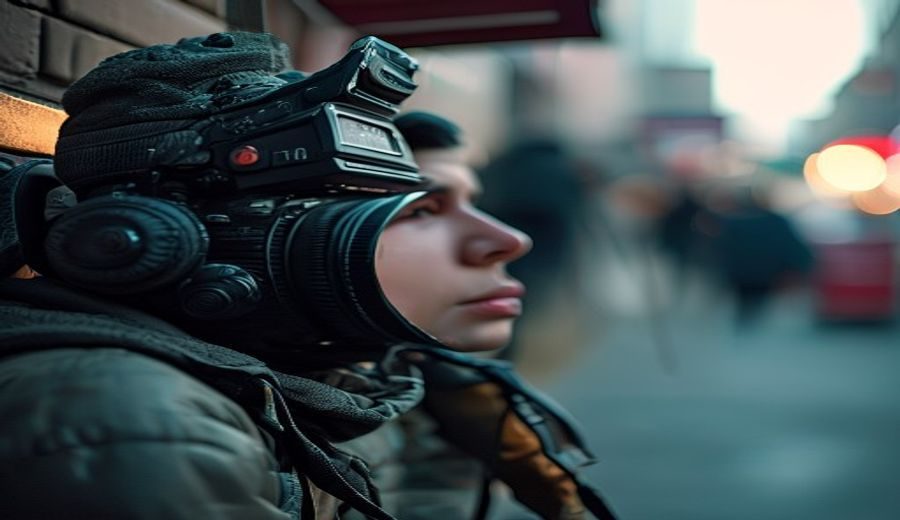
Netflix has made a significant move in the AI filmmaking space by acquiring InterPositive, a startup co-founded by Ben Affleck, for $587 million in cash, as reported by TechCrunch. This development is crucial for the future of content creation and the role of AI in the entertainment industry. As the lines between technology and art continue to blur, such acquisitions signal a new era in filmmaking.
Netflix's Acquisition of InterPositive
The acquisition of InterPositive by Netflix underscores the streaming giant's commitment to incorporating AI into its content creation process. According to TechCrunch, the $587 million deal is a testament to the growing importance of AI in filmmaking. This move is expected to enhance Netflix's ability to produce high-quality content more efficiently.
For context, the use of AI in filmmaking is not new, but its applications have been expanding rapidly. From scriptwriting to post-production, AI tools are being utilized to streamline processes and offer new creative possibilities. The acquisition of InterPositive suggests that Netflix is keen on staying at the forefront of this technological shift.
The implications of this acquisition are multifaceted. On one hand, it could lead to more innovative and engaging content for Netflix subscribers. On the other hand, it raises questions about the role of human creatives in an increasingly AI-driven industry. As TechCrunch notes, the future of filmmaking will likely involve a blend of human talent and AI capabilities.
Looking ahead, Netflix's competitors will likely be watching this development closely. The integration of AI into content creation could become a key differentiator in the streaming market. As such, other players may feel pressured to make similar investments in AI filmmaking technology to remain competitive.
Apple's Lawsuit Against OpenAI
A recent lawsuit filed by Apple against OpenAI has sparked debate about its potential impact on OpenAI's plans to venture into hardware and go public, as discussed on the latest episode of Equity on TechCrunch. The lawsuit, which revolves around allegations related to AI technology, could cast a shadow over OpenAI's ambitious plans.
For those unfamiliar, OpenAI has been making waves in the AI community with its advancements in AI research and development. The company's plans to expand into hardware and pursue an initial public offering (IPO) are seen as significant steps towards solidifying its position in the tech industry.
The lawsuit by Apple introduces a layer of uncertainty into OpenAI's future plans. Legal battles can be time-consuming and costly, potentially diverting resources away from research and development. Moreover, the outcome of the lawsuit could have implications for OpenAI's intellectual property and its ability to innovate in the AI space.
As TechCrunch suggests, the impact of Apple's lawsuit on OpenAI's hardware plans and IPO aspirations will depend on the lawsuit's progression and outcome. If OpenAI can navigate this legal challenge successfully, it may emerge stronger and more resilient. However, if the lawsuit results in significant setbacks, OpenAI's timelines for entering the hardware market and going public could be delayed.
Microsoft's Proprietary Formats
A recent article on Hacker News: Front Page highlights how Microsoft's proprietary formats have become a key tool for lock-in. The article, which links to a blog post on documentfoundation.org, discusses the implications of relying on proprietary file formats in software applications.
For context, proprietary formats are file formats that are specifically designed for use with a particular company's software. While they can offer unique features and functionalities, they can also limit interoperability with other software applications. This can lead to a situation known as vendor lock-in, where users become dependent on a specific vendor's products due to the difficulty in transferring data to competing platforms.
The use of proprietary formats by Microsoft, as discussed in the article, is a strategy to maintain customer loyalty and protect market share. However, critics argue that this approach can stifle innovation and limit consumer choice. The article on Hacker News: Front Page suggests that the reliance on proprietary formats is a significant issue in the software industry, with implications for both developers and end-users.
Looking forward, the debate over proprietary formats is likely to continue. As software applications become increasingly integral to daily life, the need for open standards and interoperability will grow. Companies like Microsoft will need to balance their business interests with the demand for more flexible and accessible file formats.
Kieran Hebden's Side Project
In a unique development, Kieran Hebden, also known as Four Tet, has unveiled an intriguing side project, as reported by The Verge. The project, which involves a series of unpronounceable glyphs, is an example of the creative experimentation that can occur at the intersection of art and technology.
While the specifics of the project are somewhat enigmatic, it represents the kind of innovative thinking that artists and musicians are bringing to the table when they engage with AI and other digital technologies. The use of glyphs and other visual elements in this context can be seen as a form of digital art, pushing the boundaries of traditional music and visual arts.
For those interested in the broader context, the intersection of music, art, and technology has been a fertile ground for innovation. From generative art to AI-composed music, the possibilities for creative expression are expanding rapidly. Projects like Kieran Hebden's side project demonstrate the potential for artists to explore new mediums and forms of expression.
The impact of such projects on the wider art and music community can be significant. They can inspire other creatives to experiment with AI and digital technologies, leading to a proliferation of innovative works. As The Verge notes, the blend of technology and art is resulting in some fascinating and unconventional projects.
Kodak EC35 Film Camera
Reto Project has announced the release of the Kodak EC35, a point-and-shoot film camera that retails for $34.99, as reported by The Verge. This camera, which follows the success of the Kodak-branded Snapic A1, offers an affordable entry point into film photography.
The Kodak EC35 features a 25mm acrylic lens with a fixed f/10 aperture and 1/100 shutter speed, placing it in the category of basic, no-frills film cameras. Despite its simplicity, the camera's low price makes it an attractive option for those looking to try out film photography without committing to a more expensive camera.
For context, film photography has seen a resurgence in popularity in recent years, with many photographers appreciating the unique aesthetic and tactile experience it offers. The availability of affordable film cameras like the Kodak EC35 can help democratize access to film photography, making it more accessible to a wider audience.
The release of the Kodak EC35 also speaks to the nostalgia for analog technologies in a digital age. As The Verge suggests, the appeal of film cameras lies not only in their ability to produce distinctive photographs but also in the physical, hands-on experience they provide.
The Bottom Line
The stories from today highlight the diverse ways in which technology is influencing various sectors, from filmmaking and software development to music and photography. Whether it's the acquisition of an AI filmmaking startup, the potential impact of a lawsuit on AI development, the use of proprietary formats, innovative side projects, or the release of affordable film cameras, each development contributes to a broader narrative about the evolving relationship between technology and society.
- Netflix's acquisition of InterPositive underscores the growing importance of AI in content creation and the streaming industry's shift towards more innovative and efficient production methods.
- The lawsuit between Apple and OpenAI could have significant implications for the development and commercialization of AI technology, particularly in the context of hardware and public offerings.
- The reliance on proprietary formats by companies like Microsoft raises important questions about consumer choice, innovation, and the future of software development.
- Projects like Kieran Hebden's side project and the release of the Kodak EC35 film camera demonstrate the creative potential at the intersection of technology and art, as well as the enduring appeal of analog technologies in a digital world.
- The interplay between technology, art, and society will continue to shape the future of various industries, from entertainment and software to music and photography, emphasizing the need for ongoing innovation, collaboration, and dialogue.
🚀 Built by Mapt
Like this site? Mapt builds websites, brands & growth engines — over text.
📄 Full episode transcript
Netflix just paid $587 million in cash for InterPositive, a startup co-founded by Ben Affleck that's been making waves in the AI filmmaking space. This stunning acquisition has left many in the tech world wondering what Netflix plans to do with this new technology. InterPositive has been working on using AI to help with everything from scriptwriting to editing, and it's not hard to see how this could be a game-changer for the streaming giant. With the rise of AI-generated content, Netflix is clearly looking to stay ahead of the curve and give its creators new tools to work with.
This acquisition is a big deal because it shows just how serious Netflix is about investing in AI. The company has already been using AI to help personalize recommendations and even create trailers, but this acquisition takes things to a whole new level. It'll be interesting to see how Netflix integrates InterPositive's technology into its existing workflows, and what kind of new content we can expect to see as a result.
Moving on, there's been a lot of talk lately about OpenAI's plans to get into hardware and potentially go public, but a new lawsuit from Apple could throw a wrench into those plans. The lawsuit, which alleges that OpenAI's technology infringes on Apple's patents, has sparked a lively debate about whether this will derail OpenAI's ambitious plans. Some argue that the lawsuit is just a minor setback, while others think it could be a major roadblock.
As we consider the potential implications of this lawsuit, it's worth remembering that OpenAI is still a relatively new player in the tech world, and it's already made a huge splash with its AI technology. If the company is able to successfully navigate this lawsuit and get into hardware, it could be a major player in the tech world for years to come. But for now, the lawsuit is causing a lot of uncertainty, and it's unclear how things will play out.
In other news, a recent article on Hacker News highlighted how proprietary formats have become Microsoft's main tool for lock-in. This is a topic that's near and dear to the hearts of many in the tech world, who have long argued that proprietary formats stifle innovation and limit consumer choice. The article makes a compelling case that Microsoft's use of proprietary formats is a key part of its strategy to keep customers tied to its ecosystem.
It's worth noting that this isn't just a problem for Microsoft - many companies in the tech world use proprietary formats to some extent. But Microsoft's sheer size and reach make its use of proprietary formats particularly problematic. As the tech world continues to evolve, it'll be interesting to see how companies like Microsoft balance the need to innovate and compete with the need to give customers more freedom and flexibility.
On a completely different note, the musician Kieran Hebden, also known as Four Tet, has just released an intriguing side project that's generating a lot of buzz. The project, which features a series of unpronounceable glyphs, is an experimental AI-generated music piece that's unlike anything you've ever heard before. It's not entirely clear what the point of the project is, but it's definitely a fascinating example of how AI can be used to create new and innovative art.
Finally, for all you photography enthusiasts out there, there's some exciting news - Kodak has just released a dirt-cheap point-and-shoot film camera called the EC35. The camera, which costs just $34.99, is a no-frills affair that's designed to be easy to use and accessible to everyone. It's not going to win any awards for image quality, but it's a fun and affordable way to get into film photography.
And that's all for today - tune in tomorrow when we'll be discussing the latest breakthroughs in natural language processing and what they might mean for the future of human-AI collaboration.