Sloppatting Spreads: AI-Generated Malware Infiltrates Software Code
New AI-powered threats emerge in software supply chains and social media
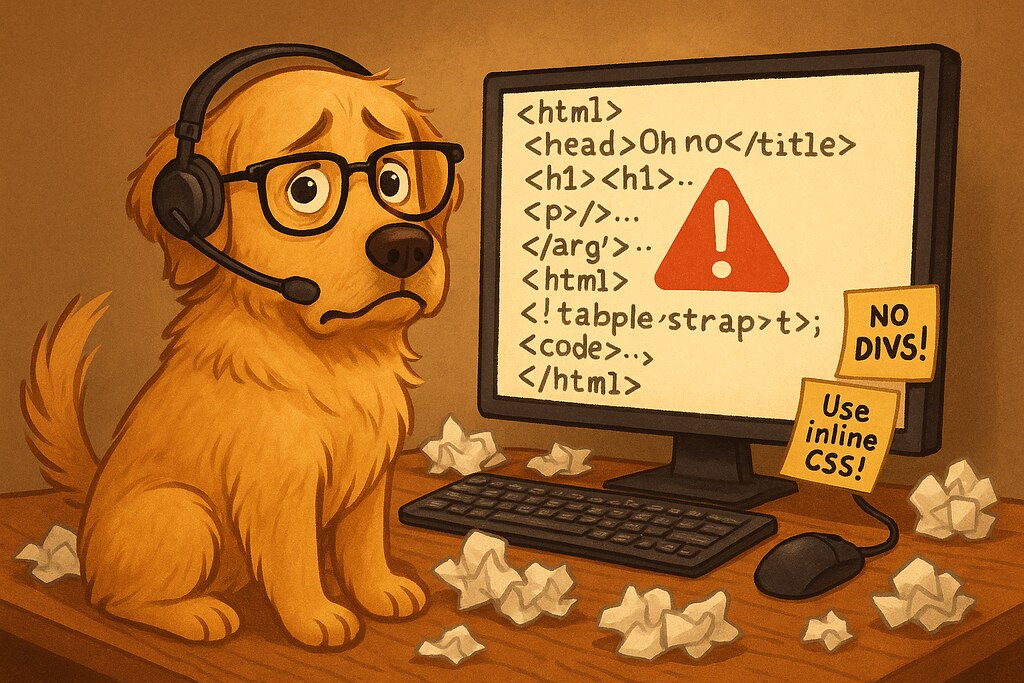
As the world becomes increasingly reliant on AI-powered tools, new threats are emerging that could have significant consequences for individuals and businesses. According to a report by VentureBeat, slopsquatting is a new type of supply chain attack that uses large language model (LLM) hallucinations to inject malicious code into development workflows. Meanwhile, OpenAI is betting on families as ChatGPT goes deeper into households, and Nvidia is at the center of a controversy over circular financing in the GPU boom.
Understanding slopsquatting and its implications
Slopsquatting represents an emerging supply chain threat made possible by AI hallucinations. As developers increasingly rely on AI coding assistants, they unknowingly grant cybercriminals access to their software from day one. This type of attack is particularly concerning because it can be difficult to detect and can have significant consequences for businesses and individuals. According to VentureBeat, slopsquatting is a new type of supply chain attack that uses large language model (LLM) hallucinations to inject malicious code into development workflows.
The use of AI-powered coding tools is becoming increasingly common, and as a result, the risk of slopsquatting is growing. Developers must be aware of the potential risks and take steps to protect themselves and their software. This includes being cautious when using AI coding assistants and ensuring that all code is thoroughly reviewed and tested before it is released.
In addition to the risks associated with slopsquatting, there are also concerns about the potential for AI-powered tools to be used for malicious purposes. For example, cybercriminals could use AI-powered coding tools to create sophisticated malware and other types of cyber threats. As the use of AI-powered tools becomes more widespread, it is essential that developers and businesses take steps to protect themselves and their software from these types of threats.
As the threat of slopsquatting continues to grow, it is likely that we will see increased investment in cybersecurity measures designed to protect against this type of attack. This could include the development of new AI-powered security tools that can detect and prevent slopsquatting attacks. Additionally, there may be increased regulation and oversight of the use of AI-powered coding tools in order to prevent their use for malicious purposes.
OpenAI's bet on families and ChatGPT
OpenAI is betting on families as ChatGPT goes deeper into households, according to a report by TechCrunch. The company is hiring a dedicated product manager to build experiences for families, caregivers, and older adults. This move is seen as a significant expansion of ChatGPT's capabilities and could have important implications for the future of AI-powered tools in the home.
The use of AI-powered tools in the home is becoming increasingly common, and OpenAI is well-positioned to take advantage of this trend. With the hiring of a dedicated product manager, the company is demonstrating its commitment to developing ChatGPT into a tool that can be used by people of all ages and backgrounds. This could include the development of new features and capabilities that are specifically designed for families and caregivers.
As ChatGPT becomes more widely used in households, it is likely that we will see increased investment in AI-powered tools designed for the home. This could include the development of new AI-powered assistants that can help with tasks such as household management and childcare. Additionally, there may be increased regulation and oversight of the use of AI-powered tools in the home in order to ensure that they are used safely and responsibly.
The potential implications of OpenAI's bet on families and ChatGPT are significant. As AI-powered tools become more widely used in households, they have the potential to revolutionize the way that people live and work. However, there are also concerns about the potential risks and challenges associated with the use of AI-powered tools in the home, and it is essential that these risks are carefully managed and mitigated.
Nvidia and the circular financing of the GPU boom
Nvidia is at the center of a controversy over circular financing in the GPU boom, according to a report by Hacker News. The company is accused of engaging in circular financing practices with other companies, including CoreWeave and Nebius. This controversy has significant implications for the future of the GPU market and the use of AI-powered tools in a variety of applications.
The use of GPU technology is becoming increasingly common in a variety of applications, including AI-powered tools and gaming. As a result, the demand for GPU technology is growing rapidly, and companies such as Nvidia are well-positioned to take advantage of this trend. However, the controversy over circular financing practices has the potential to undermine the growth of the GPU market and to damage the reputation of companies such as Nvidia.
As the controversy over circular financing practices continues to grow, it is likely that we will see increased regulation and oversight of the GPU market. This could include the development of new rules and regulations designed to prevent circular financing practices and to ensure that companies such as Nvidia are transparent and accountable in their business practices.
In addition to the controversy over circular financing practices, there are also concerns about the potential risks and challenges associated with the use of GPU technology in a variety of applications. For example, the use of GPU technology in AI-powered tools has the potential to revolutionize a variety of industries, but it also raises concerns about the potential risks and challenges associated with the use of AI-powered tools.
The bottom line
In conclusion, the emergence of new AI-powered threats such as slopsquatting and the controversy over circular financing practices in the GPU market have significant implications for the future of AI-powered tools and the tech industry as a whole. As the use of AI-powered tools becomes more widespread, it is essential that developers and businesses take steps to protect themselves and their software from these types of threats.
- The use of AI-powered coding tools is becoming increasingly common, and as a result, the risk of slopsquatting is growing.
- OpenAI is betting on families as ChatGPT goes deeper into households, and this move has significant implications for the future of AI-powered tools in the home.
- The controversy over circular financing practices in the GPU market has the potential to undermine the growth of the market and to damage the reputation of companies such as Nvidia.
- As the use of AI-powered tools becomes more widespread, it is essential that developers and businesses take steps to protect themselves and their software from the potential risks and challenges associated with these tools.
- The future of AI-powered tools will be shaped by the ability of developers and businesses to balance the potential benefits of these tools with the potential risks and challenges associated with their use.
🚀 Built by Mapt
Like this site? Mapt builds websites, brands & growth engines — over text.