Patreon stops asking AI bots not to scrape — and starts blocking them
Big developments in AI tech world
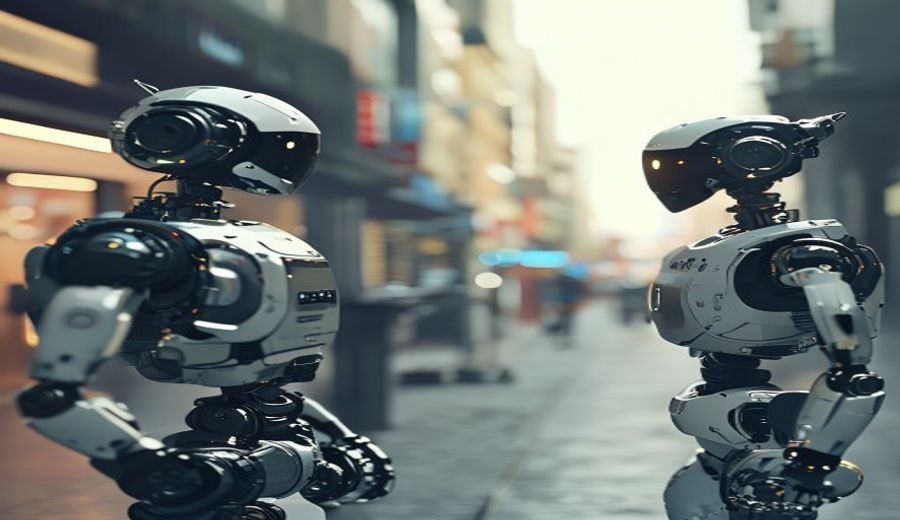
As the AI tech world continues to evolve, today's biggest development is Patreon's move to strengthen its defenses against AI scraping by working with Cloudflare to block bots that train AI models on creators’ content without permission. This shift marks a significant change in the way companies approach AI training and content protection. The AI tech world is also abuzz with news of Apple's lawsuit against OpenAI, which could disrupt OpenAI's IPO plans.
Strengthening Defenses Against AI Scraping
Patreon's decision to block AI bots that scrape content without permission is a response to the growing concern about content protection in the digital age. According to TechCrunch, Patreon is working with Cloudflare to identify and block bots that engage in unauthorized AI training. This move is significant because it marks a shift away from relying on robots.txt alone to prevent AI scraping. As reported by TechCrunch, Patreon's new approach is designed to provide an additional layer of protection for creators' content. The background to this development is the increasing use of AI models to generate content, which has raised concerns about copyright infringement and content ownership. As the AI tech world continues to evolve, companies are looking for ways to balance the need to protect intellectual property with the need to facilitate innovation and creativity. Patreon's move is seen as a step in the right direction, as it provides a more proactive approach to preventing AI scraping. In the context of the broader AI tech world, Patreon's decision is part of a larger trend towards greater awareness and protection of content rights. As more companies begin to develop and deploy AI models, the need for clear guidelines and regulations around content use and ownership is becoming increasingly pressing. According to The Verge, this is an area where companies like Apple are also taking a keen interest, with the company recently filing a lawsuit against OpenAI over allegations of trade secrets theft. As the AI tech world continues to evolve, it is likely that we will see more companies taking steps to protect their content and intellectual property. This could involve the development of new technologies and tools to detect and prevent AI scraping, as well as greater collaboration between companies and regulators to establish clear guidelines and standards for content use and ownership.Apple's Lawsuit Against OpenAI
Apple's lawsuit against OpenAI is a significant development in the AI tech world, with potential implications for OpenAI's IPO plans. According to TechCrunch, the lawsuit alleges that OpenAI engaged in a pattern of misconduct, including the theft of trade secrets from Apple. The complaint claims that more than 400 former Apple employees now work at OpenAI, and that the company has failed to take adequate steps to prevent the misuse of Apple's intellectual property. The background to this lawsuit is the increasingly competitive AI tech landscape, where companies are vying for talent and intellectual property. As reported by The Verge, Apple's lawsuit against OpenAI is seen as a strategic move to protect the company's trade secrets and prevent the misuse of its intellectual property. The lawsuit is also seen as a warning to other companies in the AI tech world to respect intellectual property rights and to take steps to prevent the theft of trade secrets. In the context of OpenAI's IPO plans, the lawsuit is a significant development that could potentially disrupt the company's plans to go public. According to TechCrunch, OpenAI's response to the lawsuit has been carefully hedged, and the company has not yet commented on the potential impact of the lawsuit on its IPO plans. As the AI tech world continues to evolve, it is likely that we will see more companies taking steps to protect their intellectual property and to prevent the misuse of trade secrets. The implications of Apple's lawsuit against OpenAI are far-reaching, with potential consequences for the broader AI tech world. As companies continue to develop and deploy AI models, the need for clear guidelines and regulations around intellectual property and trade secrets is becoming increasingly pressing. According to The Verge, this is an area where regulators and companies will need to work together to establish clear standards and guidelines for the use and protection of intellectual property in the AI tech world.The Bottom Line
In conclusion, today's developments in the AI tech world highlight the need for companies to take proactive steps to protect their content and intellectual property. Whether it is Patreon's move to block AI bots or Apple's lawsuit against OpenAI, the message is clear: companies must take content protection and intellectual property seriously in order to succeed in the AI tech world. As the AI tech world continues to evolve, it is likely that we will see more companies taking steps to protect their content and intellectual property, and to establish clear guidelines and standards for the use and protection of intellectual property. Here are the key takeaways from today's developments:- The AI tech world is becoming increasingly competitive, with companies vying for talent and intellectual property.
- Companies must take proactive steps to protect their content and intellectual property in order to succeed in the AI tech world.
- The need for clear guidelines and regulations around intellectual property and trade secrets is becoming increasingly pressing.
- Companies like Patreon and Apple are taking steps to protect their content and intellectual property, and to establish clear standards and guidelines for the use and protection of intellectual property in the AI tech world.
🚀 Built by Mapt
Like this site? Mapt builds websites, brands & growth engines — over text.