Pilotless Cargo Planes: How Unmanned Freighters Work
Unmanned cargo aircraft could slash operating costs and reshape global freight, and Poseidon Aerospace’s $60 M push shows the technology is moving fast.
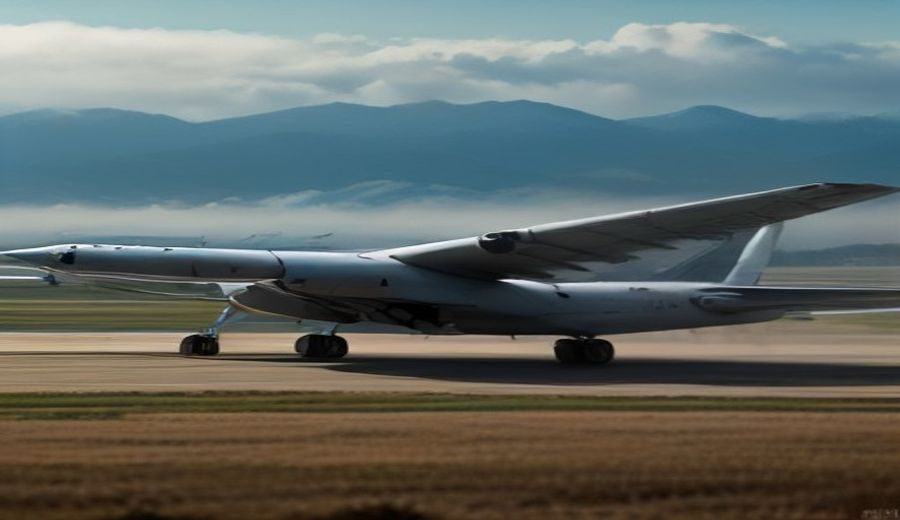
Pilotless cargo aircraft are unmanned freight planes that rely on advanced autopilot, artificial‑intelligence decision‑making, and a suite of sensors to fly without a human pilot. They promise up to 30 % lower operating costs by eliminating crew salaries and related overhead.
What are pilotless cargo aircraft and how do they work?
In essence, a pilotless cargo aircraft is a full‑scale freight airplane equipped with a redundant flight‑control computer that can execute all phases of flight—take‑off, climb, cruise, descent, and landing—without a human in the cockpit. Unlike hobbyist drones, these machines carry payloads measured in tons and operate on commercial air routes.
The core of the system is a high‑performance AI engine that fuses data from radar, LIDAR, inertial navigation units, and satellite‑based augmentation. The AI continuously assesses aircraft attitude, weather, traffic, and mechanical health, making split‑second adjustments that a human pilot would normally handle (TechCrunch). Redundant processors and fail‑safe software layers ensure that a single fault does not compromise safety.
Ground‑based control centers maintain a real‑time data link via satellite or dedicated VHF/UHF channels. Operators monitor flight progress on dashboards that display health metrics, trajectory, and any alerts. If the autonomous system encounters an unanticipated situation, the ground team can intervene with a “remote‑pilot” command, similar to how air traffic control can issue vectors (TechCrunch).
Safety is reinforced through multiple layers: hardware redundancy, rigorous simulation testing, and compliance with emerging certification standards from the FAA and EASA. The aircraft must demonstrate that it can handle the same emergency scenarios as a manned counterpart, such as engine failure or severe turbulence, before it receives an airworthiness certificate (TechCrunch).
Why are companies removing pilots from cargo planes?
Operating a crewed freighter involves significant recurring expenses: pilot salaries, training programs, recurrent medical exams, and union‑mandated work‑hour limits. For airlines that run thin profit margins, these costs can represent 10‑15 % of total operating expenses. Eliminating the cockpit crew directly cuts this line item and also reduces weight, allowing a modest increase in payload capacity.
Poseidon Aerospace’s recent $60 million financing round, reported by TechCrunch, is a concrete example of this economic calculus. The startup’s mission is to “rethink the economics of cargo aircraft by removing pilots from the equation entirely,” positioning autonomous freighters as a way to achieve lower unit costs per ton‑kilometer (TechCrunch).
Beyond cost, unmanned freighters can operate on more flexible schedules. Without crew duty‑time restrictions, an aircraft can be dispatched for back‑to‑back legs, serving remote airports that lack adequate crew accommodations. This flexibility can improve asset utilization and open new routes that were previously unprofitable.
Regulatory approval and public perception remain hurdles. Aviation authorities must adapt existing certification frameworks, and the industry must demonstrate that safety is not compromised. Nonetheless, the financial incentive is strong enough that several incumbents and startups are investing heavily in the technology (TechCrunch).
What is the future outlook for autonomous cargo aviation?
Regulators worldwide are forming working groups to address unmanned commercial aviation. The FAA’s “UAS Integration Office” and ICAO’s “Unmanned Aircraft Systems” task force are drafting rules that could allow limited autonomous freight operations in designated air corridors within the next five years. Early test corridors in the United States and Europe are expected to host pilotless cargo flights by 2027 (TechCrunch).
The market potential is substantial. Global air freight exceeds $1 trillion annually, and analysts estimate that autonomous freighters could shave 20‑30 % off operating costs, translating into billions of dollars in savings. Companies that achieve certification first could capture a sizable share of high‑value, time‑critical cargo lanes such as pharmaceuticals and electronics.
Legacy manufacturers are not standing still. Airbus and Boeing have announced research programs into unmanned cargo variants, while startups like Volocopter and Xwing are field‑testing smaller autonomous cargo aircraft. Poseidon’s $60 M raise puts it among the better‑funded niche players aiming to commercialize a dedicated, pilot‑less freighter platform (TechCrunch).
Adoption will likely be incremental. Initial services may focus on short‑haul routes, night‑time operations, or cargo types that benefit most from reduced handling time. As certification frameworks mature and confidence builds, larger aircraft and longer routes will follow, potentially reshaping global logistics chains by the early 2030s.
Frequently asked questions
How safe are pilotless cargo planes compared to manned freighters?
Safety is built on multiple redundant systems, rigorous simulation, and real‑time monitoring. Regulatory bodies require that autonomous aircraft meet or exceed the safety standards applied to crewed planes before they are allowed to operate commercially.
Can pilotless cargo aircraft fly long‑distance routes?
Yes. The same aerodynamic designs and fuel efficiencies used in traditional freighters apply, and the absence of crew rest requirements can actually enable longer duty cycles, provided the aircraft’s range and payload limits are met.
What regulations govern autonomous cargo flights?
In the United States, the FAA is developing rules under its UAS Integration Office; in Europe, EASA is working with ICAO to create a global framework. These regulations will cover certification, airspace access, and operational oversight for unmanned commercial aircraft.
Which companies are leading the development of pilotless cargo aircraft?
Key players include Poseidon Aerospace, which recently secured $60 million to develop a pilot‑less freighter (TechCrunch), as well as larger aerospace firms like Airbus and Boeing that are investing in research programs for unmanned cargo variants.
The bottom line
- Pilotless cargo aircraft use AI, sensor fusion, and redundant systems to fly without a cockpit crew.
- Removing pilots can cut operating costs by up to 30 % and increase payload efficiency.
- Regulatory frameworks are evolving, with test corridors expected to launch by the mid‑2020s.
- Poseidon Aerospace’s $60 M funding round highlights strong investor confidence in the model.
- Widespread adoption could reshape global freight logistics over the next decade.
🚀 Built by Mapt
Like this site? Mapt builds websites, brands & growth engines — over text.