Cancer Breakthroughs
New discoveries in cancer treatment and more
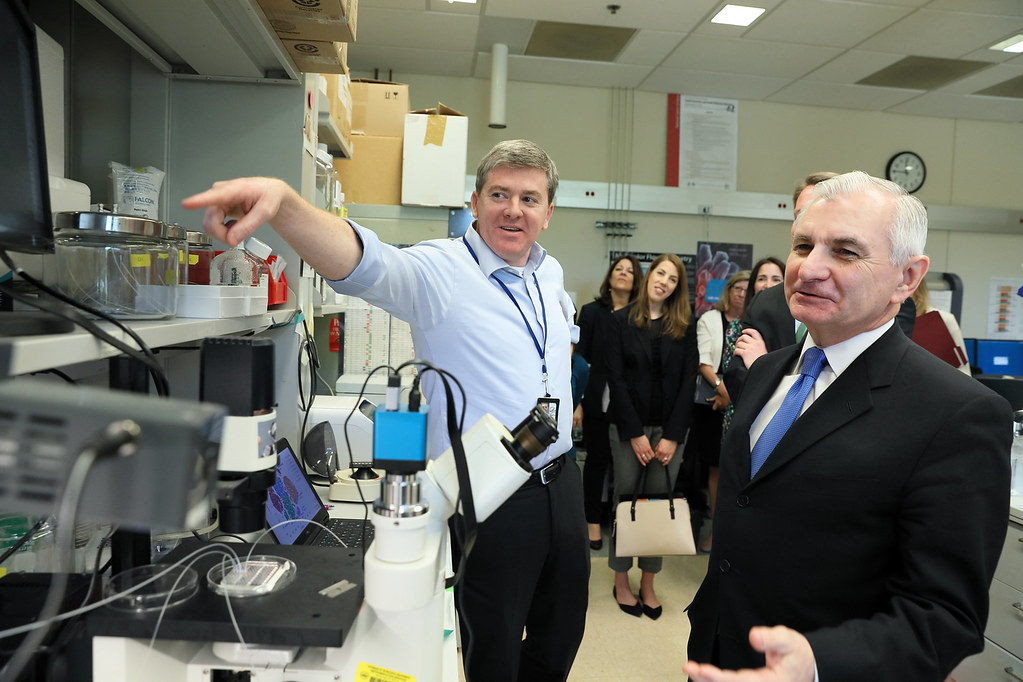
Today, scientists announced a major breakthrough in cancer treatment, discovering the secret to building better cancer drugs inspired by nature. This development has the potential to revolutionize the field of oncology and bring new hope to patients. According to Health & Medicine News -- ScienceDaily, researchers have cracked the code behind bacteria's ability to naturally manufacture multiple versions of powerful anti-cancer drugs.
This discovery is significant because it could make it much easier to engineer new cancer treatments, including improved versions of existing medicines. As reported by Health & Medicine News -- ScienceDaily, the discovery could lead to the development of more effective and targeted cancer therapies. Cancer research has been an ongoing effort, with scientists working tirelessly to find new and innovative ways to combat the disease.
In context, cancer is a leading cause of death worldwide, with millions of people affected every year. The search for effective treatments has been a long and challenging one, with many false starts and setbacks along the way. However, with this new discovery, there is renewed hope that scientists may finally be able to develop the tools they need to defeat this devastating disease.
As researchers continue to study and develop this new technology, it is likely that we will see significant advancements in the field of cancer treatment. With the potential to create more effective and targeted therapies, this discovery could be a game-changer for patients and families affected by cancer.
Story 1: Cracking the Code
As mentioned earlier, scientists have made a major breakthrough in cancer treatment, discovering the secret to building better cancer drugs inspired by nature. This development has the potential to revolutionize the field of oncology and bring new hope to patients. According to Health & Medicine News -- ScienceDaily, researchers have cracked the code behind bacteria's ability to naturally manufacture multiple versions of powerful anti-cancer drugs.
This discovery is significant because it could make it much easier to engineer new cancer treatments, including improved versions of existing medicines. As reported by Health & Medicine News -- ScienceDaily, the discovery could lead to the development of more effective and targeted cancer therapies. Cancer research has been an ongoing effort, with scientists working tirelessly to find new and innovative ways to combat the disease.
In context, cancer is a leading cause of death worldwide, with millions of people affected every year. The search for effective treatments has been a long and challenging one, with many false starts and setbacks along the way. However, with this new discovery, there is renewed hope that scientists may finally be able to develop the tools they need to defeat this devastating disease.
As researchers continue to study and develop this new technology, it is likely that we will see significant advancements in the field of cancer treatment. With the potential to create more effective and targeted therapies, this discovery could be a game-changer for patients and families affected by cancer.
Story 2: Ozempic Mistakes
In other news, Health & Medicine News -- ScienceDaily reports that poison control calls involving semaglutide (Ozempic and Wegovy) soared after the drug was approved for weight management. Researchers have linked the increase to accidental dosing mistakes rather than intentional misuse. Simple education about proper weekly dosing and gradual dose increases could help prevent many of these avoidable incidents.
According to experts, the key to preventing these mistakes is to educate patients about the proper use of the medication. This includes understanding the correct dosage and administration schedule, as well as being aware of the potential side effects. By taking these steps, patients can minimize their risk of experiencing adverse reactions and ensure that they are using the medication safely and effectively.
In context, semaglutide is a medication that has been approved for the treatment of type 2 diabetes and obesity. While it has shown promise in these areas, its use has also been associated with a number of potential side effects, including nausea, vomiting, and diarrhea. As with any medication, it is essential that patients follow the recommended dosage and administration schedule to minimize their risk of experiencing adverse reactions.
As researchers continue to study the use of semaglutide, it is likely that we will see further developments in the field of weight management. With the potential to help patients achieve significant weight loss, this medication could be a valuable tool in the fight against obesity.
Story 3: Silica Particles
According to Health & Medicine News -- ScienceDaily, tiny silica nanoparticles engineered to seek out prostate cancer caused tumor cells to self-destruct and supercharged the immune system in preclinical mouse studies. Combined with immunotherapy, the treatment produced complete remissions in multiple mice, raising hopes for a powerful new approach to prostate cancer.
This discovery is significant because it could lead to the development of a new and effective treatment for prostate cancer. As reported by Health & Medicine News -- ScienceDaily, the use of silica nanoparticles has shown promise in preclinical studies, with the potential to target and destroy cancer cells while also stimulating the immune system.
In context, prostate cancer is a leading cause of death among men, with thousands of new cases diagnosed every year. The search for effective treatments has been a long and challenging one, with many false starts and setbacks along the way. However, with this new discovery, there is renewed hope that scientists may finally be able to develop the tools they need to defeat this devastating disease.
As researchers continue to study and develop this new technology, it is likely that we will see significant advancements in the field of prostate cancer treatment. With the potential to create more effective and targeted therapies, this discovery could be a game-changer for patients and families affected by the disease.
Story 4: Alzheimer's Spread
According to Health & Medicine News -- ScienceDaily, a common brain protein may be giving Alzheimer’s disease an unexpected way to spread, carrying toxic Tau proteins from damaged neurons into healthy ones. By blocking these harmful protein packages before they reach new cells, researchers believe it may one day be possible to slow the disease's relentless progression.
This discovery is significant because it could lead to the development of a new and effective treatment for Alzheimer's disease. As reported by Health & Medicine News -- ScienceDaily, the use of brain protein to target and block the spread of toxic Tau proteins has shown promise in preclinical studies, with the potential to slow the progression of the disease.
In context, Alzheimer's disease is a leading cause of death among older adults, with millions of people affected worldwide. The search for effective treatments has been a long and challenging one, with many false starts and setbacks along the way. However, with this new discovery, there is renewed hope that scientists may finally be able to develop the tools they need to defeat this devastating disease.
As researchers continue to study and develop this new technology, it is likely that we will see significant advancements in the field of Alzheimer's disease treatment. With the potential to create more effective and targeted therapies, this discovery could be a game-changer for patients and families affected by the disease.
Story 5: DNA Writing Machine
According to Health & Medicine News -- ScienceDaily, scientists have created a silicon chip that can write dozens of DNA sequences simultaneously using electricity and water-based enzymes, offering a cleaner alternative to conventional DNA manufacturing. The breakthrough could eventually support portable DNA-writing devices and even massive DNA data storage, although new chemistry will be needed to scale the technology further.
This discovery is significant because it could lead to the development of a new and effective way to manufacture DNA. As reported by Health & Medicine News -- ScienceDaily, the use of silicon chips to write DNA sequences has shown promise in preclinical studies, with the potential to create a cleaner and more efficient method of DNA production.
In context, DNA manufacturing is a complex and challenging process, with many potential applications in fields such as medicine and biotechnology. The search for effective and efficient methods of DNA production has been a long and challenging one, with many false starts and setbacks along the way. However, with this new discovery, there is renewed hope that scientists may finally be able to develop the tools they need to advance the field of DNA manufacturing.
As researchers continue to study and develop this new technology, it is likely that we will see significant advancements in the field of DNA manufacturing. With the potential to create a cleaner and more efficient method of DNA production, this discovery could be a game-changer for scientists and researchers working in the field.
The bottom line
In conclusion, today's stories highlight the significant advancements being made in the fields of cancer treatment, weight management, prostate cancer, Alzheimer's disease, and DNA manufacturing. From the discovery of a new way to build better cancer drugs to the development of a silicon chip that can write DNA sequences, these breakthroughs have the potential to revolutionize their respective fields and bring new hope to patients and families affected by these diseases.
As researchers continue to study and develop these new technologies, it is likely that we will see significant advancements in the coming years. With the potential to create more effective and targeted therapies, these discoveries could be game-changers for patients and families affected by these diseases.
- Scientists have discovered a new way to build better cancer drugs inspired by nature.
- Poison control calls involving semaglutide (Ozempic and Wegovy) have soared due to accidental dosing mistakes.
- Tiny silica nanoparticles have shown promise in preclinical studies as a potential treatment for prostate cancer.
- A common brain protein may be giving Alzheimer’s disease an unexpected way to spread.
- Scientists have created a silicon chip that can write dozens of DNA sequences simultaneously using electricity and water-based enzymes.
🚀 Built by Mapt
Like this site? Mapt builds websites, brands & growth engines — over text.
📄 Full episode transcript
Seventy-five percent of all cancer drugs are inspired by nature, but until now, scientists have struggled to replicate the complex manufacturing process that bacteria use to produce these powerful compounds, but that's all changed with a groundbreaking discovery that could make it much easier to engineer new cancer treatments. Researchers have cracked the code behind bacteria's ability to naturally manufacture multiple versions of powerful anti-cancer drugs, and this breakthrough could lead to improved versions of existing medicines and even entirely new treatments. The implications are huge, as this could revolutionize the way we approach cancer treatment, making it possible to create targeted, effective therapies with fewer side effects.
This discovery is a game-changer, and it's exciting to think about the possibilities it holds for cancer patients, but for now, let's move on to another story that's been making headlines. The rise of semaglutide, also known as Ozempic and Wegovy, has been impressive, with thousands of people turning to the medication for weight management, but with this increase in use has come a surge in poison control calls, with many of these incidents linked to accidental dosing mistakes rather than intentional misuse. It's clear that education is key here, and simple steps like proper weekly dosing and gradual dose increases could help prevent many of these avoidable incidents, saving lives and reducing the strain on our healthcare system.
Moving on, researchers have made a promising discovery in the fight against prostate cancer, using tiny silica particles to wipe out aggressive tumors in mice. These nanoparticles were engineered to seek out prostate cancer, causing tumor cells to self-destruct and supercharging the immune system, and when combined with immunotherapy, the treatment produced complete remissions in multiple mice. This raises hopes for a powerful new approach to prostate cancer, one that could potentially save thousands of lives, and it's exciting to think about the possibilities this breakthrough holds.
But that's not all - scientists may have finally found the key to understanding how Alzheimer's spreads through the brain. A common brain protein may be carrying toxic Tau proteins from damaged neurons into healthy ones, allowing the disease to spread its destructive path, but by blocking these harmful protein packages, researchers believe it may one day be possible to slow the disease's progression. This is a major breakthrough, and it could lead to new treatments and therapies that could improve the lives of millions of people affected by this devastating disease.
And finally, in a story that's more about the future of technology than healthcare, scientists have turned a silicon chip into a DNA writing machine, using electricity and water-based enzymes to write dozens of DNA sequences simultaneously. This breakthrough could eventually support portable DNA-writing devices and even massive DNA data storage, although new chemistry will be needed to scale the technology further. It's a fascinating development, and one that could have far-reaching implications for fields beyond just medicine.
And that's all for today - tune in tomorrow to learn about the shocking link between air pollution and cognitive decline, and how a simple change to your daily routine could reduce your risk.