Health Breakthroughs
New discoveries in health and medicine offer hope for various diseases
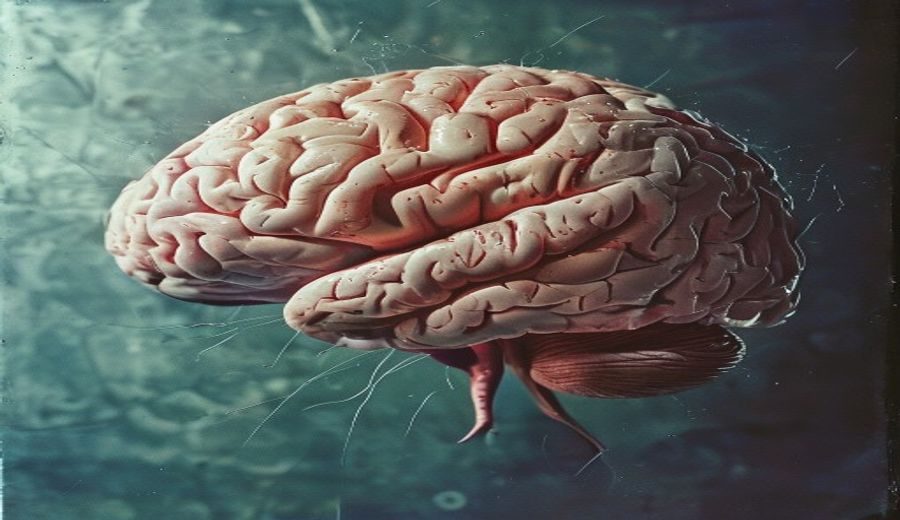
The Hum Explained
The Hum, a low-frequency sound that has been reported by people all over the world, has long been a mystery to scientists. Despite numerous attempts to locate the source of the sound, it often remains impossible to find. Recently, researchers tested whether people who hear The Hum have exceptional low-frequency hearing or measurable sounds produced inside their ears, but neither explanation fit most participants. The strongest possibility is that many cases involve low-frequency tinnitus, even though the sound seems completely external. This finding could potentially lead to new treatments for those affected by The Hum.
According to Health & Medicine News -- ScienceDaily, the study found that the majority of participants who reported hearing The Hum did not have exceptional low-frequency hearing. This suggests that The Hum may not be an external sound at all, but rather an internal phenomenon. As ScienceDaily reports, the researchers believe that The Hum may be related to tinnitus, a condition characterized by ringing or other sounds in the ears.
The discovery of the potential cause of The Hum is significant, as it could lead to new treatments for those affected by the condition. As Health & Medicine News -- ScienceDaily notes, the finding could also have implications for our understanding of tinnitus and other hearing-related disorders. By studying The Hum, scientists may be able to gain a better understanding of the complexities of human hearing and develop new treatments for related conditions.
In the context of hearing disorders, The Hum is not an isolated phenomenon. Many people experience tinnitus or other hearing-related problems, and The Hum may be related to these conditions. By studying The Hum, scientists may be able to gain a better understanding of the underlying causes of these disorders and develop new treatments.
Mediterranean Diet and Healthy Aging
The Mediterranean diet has long been associated with healthy aging, and a new study may have found the reason why. According to Health & Medicine News -- ScienceDaily, the Mediterranean diet may influence aging through tiny proteins produced inside the cell’s mitochondria. Older adults who followed the diet most closely had higher levels of humanin and SHMOOSE, which have been linked to heart and brain protection.
The study found that the Mediterranean diet, which is characterized by high consumption of olive oil, fish, and legumes, and low consumption of refined carbohydrates, was associated with higher levels of humanin and SHMOOSE. As Health & Medicine News -- ScienceDaily reports, the findings could eventually help scientists develop more personalized nutrition plans for healthy aging.
The Mediterranean diet has been associated with a range of health benefits, including reduced risk of heart disease and cognitive decline. The new study suggests that the diet may also have a positive impact on mitochondrial function, which is critical for healthy aging. By understanding the mechanisms by which the Mediterranean diet influences aging, scientists may be able to develop new strategies for promoting healthy aging.
In the context of nutrition and aging, the Mediterranean diet is not the only factor that influences healthy aging. Other lifestyle factors, such as physical activity and stress management, also play a critical role. However, the Mediterranean diet may be a key component of a healthy aging strategy, and the new study provides valuable insights into its potential benefits.
Breakthrough in Brain Cancer Treatment
A new experimental treatment may have found a way to outsmart glioblastoma’s toughest defense: the blood-brain barrier. According to Health & Medicine News -- ScienceDaily, researchers used sugar-coated nanoparticles to ferry genetic instructions that restore a key tumor-suppressing protein directly into brain cancer cells.
The study found that the treatment increased median survival by 50% in mice, while shrinking tumors without noticeable damage to other organs. As Health & Medicine News -- ScienceDaily reports, the findings could lead to new treatments for glioblastoma, a deadly form of brain cancer.
The blood-brain barrier is a major obstacle in the treatment of brain cancer, as it prevents many drugs from reaching the tumor site. The new study suggests that sugar-coated nanoparticles may be able to bypass this barrier and deliver genetic instructions directly to cancer cells. This could lead to more effective treatments for glioblastoma and other forms of brain cancer.
In the context of cancer treatment, the new study is a significant breakthrough. Glioblastoma is a highly aggressive form of cancer, and current treatments often have limited success. The use of sugar-coated nanoparticles to deliver genetic instructions to cancer cells may be a game-changer in the treatment of this disease.
Fighting Alzheimer's with Cellular Skeletons
Researchers have discovered that a microscopic skeleton inside neurons does much more than hold cells together. According to Health & Medicine News -- ScienceDaily, the skeleton acts as a gatekeeper that controls what brain cells absorb and when they absorb it.
The study found that when this protective structure weakens, neurons rapidly take in harmful proteins associated with Alzheimer's disease. As Health & Medicine News -- ScienceDaily reports, stabilizing the skeleton could become a promising new strategy for preventing brain cell damage.
The discovery of the cellular skeleton's role in Alzheimer's disease is significant, as it could lead to new treatments for the condition. As Health & Medicine News -- ScienceDaily notes, the finding could also have implications for our understanding of other neurodegenerative diseases.
In the context of neurodegenerative diseases, the cellular skeleton plays a critical role in maintaining healthy neurons. The new study suggests that the skeleton may be a key target for therapies aimed at preventing or treating Alzheimer's disease and other related conditions.
Coffee's Hidden Health Benefits
Scientists may have uncovered one reason coffee is repeatedly associated with healthier aging and lower disease risk. According to Health & Medicine News -- ScienceDaily, compounds in coffee appear to activate NR4A1, a receptor that helps protect cells from stress, inflammation, and damage.
The study found that the protective effects of coffee disappeared when the receptor was removed, strengthening the connection. As Health & Medicine News -- ScienceDaily reports, surprisingly, plant-based compounds such as caffeic acid seemed far more active than caffeine itself.
The discovery of coffee's potential health benefits is significant, as it could lead to new strategies for promoting healthy aging. As Health & Medicine News -- ScienceDaily notes, the finding could also have implications for our understanding of the mechanisms by which coffee influences health.
In the context of nutrition and health, coffee is not the only beverage that has been associated with health benefits. Other beverages, such as tea and red wine, have also been linked to improved health outcomes. However, the new study suggests that coffee may have a unique set of benefits that are worth further exploration.
The bottom line
The latest findings in health and medicine offer a range of new insights and potential treatments for various diseases. From the mysterious sound known as The Hum to the potential health benefits of coffee, scientists are making strides in understanding the intricacies of human health.
- The Hum may be related to low-frequency tinnitus, and understanding its causes could lead to new treatments for those affected by the condition.
- The Mediterranean diet may influence aging through tiny proteins produced inside the cell’s mitochondria, and could be a key component of a healthy aging strategy.
- A new experimental treatment using sugar-coated nanoparticles may be able to outsmart glioblastoma’s toughest defense and lead to new treatments for brain cancer.
- The cellular skeleton plays a critical role in maintaining healthy neurons, and stabilizing it could become a promising new strategy for preventing brain cell damage in Alzheimer's disease.
- Coffee may have hidden health benefits due to its ability to activate NR4A1, a receptor that helps protect cells from stress, inflammation, and damage.
🚀 Built by Mapt
Like this site? Mapt builds websites, brands & growth engines — over text.
📄 Full episode transcript
Sixty percent of people who report hearing the mysterious sound known as The Hum have a condition that's often misdiagnosed as an external noise, when in fact it may be a type of internal tinnitus. This bizarre phenomenon has been reported worldwide for decades, with people describing it as a persistent low-frequency humming noise that seems to come from outside their bodies, but often can't be traced to any specific source. Researchers have been trying to get to the bottom of The Hum, and their latest findings suggest that many cases may involve low-frequency tinnitus, which can be a real challenge to diagnose and treat.
The implications of this discovery are significant, because if many people who hear The Hum are actually experiencing a form of tinnitus, it could open up new avenues for treatment and management. For example, techniques that are typically used to help people cope with tinnitus, such as sound therapy and cognitive behavioral therapy, might be effective in reducing the perceived intensity of The Hum. It's a fascinating area of research that could potentially improve the lives of thousands of people around the world. Moving on to another story that could have a major impact on our health, a new study has found that the Mediterranean diet may have a profound effect on our cells, particularly when it comes to protecting the heart and brain.
The Mediterranean diet has long been touted as one of the healthiest eating patterns in the world, and now we may know why. It appears that this diet influences the production of tiny proteins inside our cells, specifically in the mitochondria, which are the energy-producing structures within our cells. These proteins, called humanin and SHMOOSE, have been linked to heart and brain protection, and higher levels of them were found in older adults who followed the Mediterranean diet most closely. The key components of this diet, such as olive oil, fish, legumes, and whole grains, seem to be particularly important in activating these protective proteins.
This discovery could have major implications for our understanding of healthy aging, and could potentially lead to the development of more personalized nutrition plans that take into account an individual's specific needs and health status. By incorporating more Mediterranean diet principles into our daily eating habits, we may be able to reduce our risk of heart disease, cognitive decline, and other age-related disorders. Speaking of innovative approaches to health, a new experimental treatment has shown remarkable promise in the fight against brain cancer.
Researchers have developed a sugar-coated therapy that uses nanoparticles to deliver genetic instructions directly into brain cancer cells, effectively outsmarting the blood-brain barrier, which is one of the toughest defenses against cancer treatment. In mouse studies, this therapy increased median survival by 50% and shrunk tumors without causing noticeable damage to other organs. It's a groundbreaking finding that could potentially lead to new and more effective treatments for glioblastoma, one of the deadliest forms of brain cancer. Meanwhile, another team of scientists has made a fascinating discovery about the hidden skeleton inside brain cells, which could hold the key to fighting Alzheimer's disease.
This microscopic skeleton, which acts as a gatekeeper that controls what brain cells absorb and when they absorb it, plays a critical role in maintaining the health and integrity of neurons. When this protective structure weakens, neurons rapidly take in harmful proteins associated with Alzheimer's disease, leading to rapid cell damage and death. By stabilizing this skeleton, researchers may be able to develop new strategies for preventing brain cell damage and slowing the progression of Alzheimer's. And finally, coffee lovers will be thrilled to hear that their daily cup of joe may have a hidden benefit that goes beyond just a energy boost.
Compounds in coffee appear to activate a receptor called NR4A1, which helps protect cells from stress, inflammation, and damage, all of which are associated with aging and disease. Surprisingly, it's not the caffeine that's responsible for this effect, but rather other plant-based compounds such as caffeic acid. This discovery could help explain why coffee has been repeatedly associated with healthier aging and lower disease risk, and may even lead to the development of new therapeutics that mimic this effect. And that's all for today - tune in tomorrow to find out how a simple eye exam could predict your risk of Parkinson's disease.