Ozempic Quiets Brain
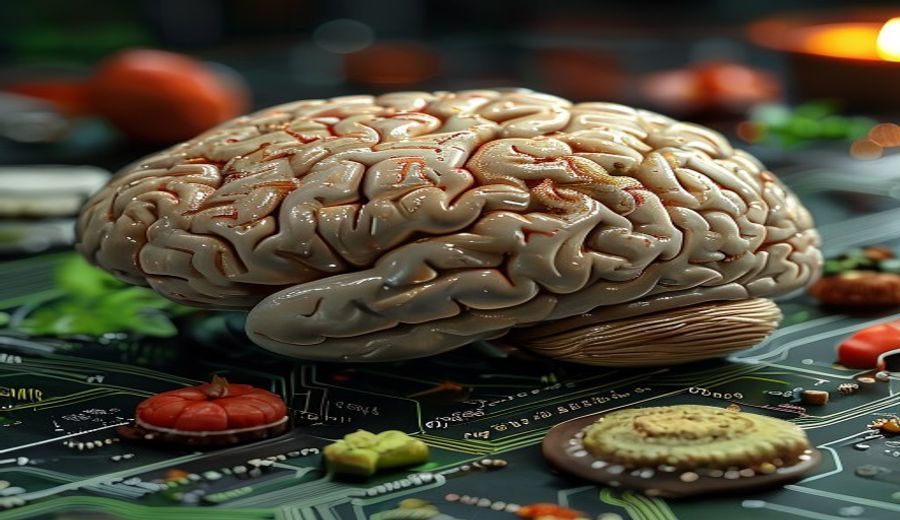
New oral GLP-1 drugs reduce pleasure-driven eating in mice
CRISPR and Prostate Cancer
Scientists have made a significant breakthrough in the treatment of prostate cancer, using CRISPR to make cancer cells more vulnerable to immunotherapy. According to a study published in Health & Medicine News -- ScienceDaily, the experimental treatment dramatically improved the effects of immunotherapy in mice, offering hope for the treatment of other hard-to-treat tumors. The study's results are particularly noteworthy, as they suggest that CRISPR may be able to enhance the effectiveness of immunotherapy by making cancer cells more visible to the immune system. This could be a major breakthrough in the fight against cancer. To understand the significance of this discovery, it is essential to consider the background and context of the study. Prostate cancer is a common and often deadly form of cancer that affects millions of men worldwide. The study's findings are also consistent with previous research on the role of CRISPR in cancer treatment. CRISPR, or clustered regularly interspaced short palindromic repeats, is a powerful tool for editing genes and has been shown to have significant potential in the treatment of a variety of diseases, including cancer.Diabetes and Fat Loss
Scientists have made a surprising discovery about the relationship between fat loss and diabetes. According to a study published in Health & Medicine News -- ScienceDaily, damaged fat cells can become inflamed, lose their ability to store lipids, and eventually vanish, disrupting the body's metabolism. The study's results are particularly noteworthy, as they suggest that diabetes can result not only from excess fat, but also from losing the healthy fat tissue the body needs. This could have significant implications for the treatment and prevention of diabetes. To understand the significance of this discovery, it is essential to consider the background and context of the study. Diabetes is a common and often debilitating disease that affects millions of people worldwide. The study's findings are also consistent with previous research on the role of fat in regulating metabolism. Fat is an essential component of the body's energy storage system, and its loss can have significant consequences for overall health.Alzheimer's Tipping Point
Scientists have identified a possible tipping point that helps determine whether Alzheimer's-related brain changes lead to dementia. According to a study published in Health & Medicine News -- ScienceDaily, the key may lie in how the brain's immune cells respond to plaques and tau, offering a promising new target for treatments designed to extend cognitive resilience. The study's results are particularly noteworthy, as they suggest that the brain's immune system may play a critical role in determining the progression of Alzheimer's disease. This could have significant implications for the treatment and prevention of dementia. To understand the significance of this discovery, it is essential to consider the background and context of the study. Alzheimer's disease is a common and often debilitating form of dementia that affects millions of people worldwide. The study's findings are also consistent with previous research on the role of the immune system in regulating cognitive function. The immune system plays a critical role in maintaining the health of the brain, and its dysfunction can have significant consequences for cognitive function.AI Calorie-Tracking Apps
Popular AI-powered food apps may make calorie counting easier, but they may also leave out a surprisingly large part of the meal. According to a study published in Health & Medicine News -- ScienceDaily, four apps underestimated calories and fat by about one-third when tested against carefully prepared meals. The study's results are particularly noteworthy, as they suggest that AI-powered food apps may not be as accurate as they seem. This could have significant implications for people who rely on these apps to track their diet and manage their weight. To understand the significance of this discovery, it is essential to consider the background and context of the study. AI-powered food apps have become increasingly popular in recent years, as people seek to manage their weight and improve their overall health. The study's findings are also consistent with previous research on the limitations of AI-powered food apps. While these apps can be useful tools for tracking diet and managing weight, they are not always accurate and should be used with caution.The bottom line
In conclusion, the latest developments in health and medicine offer a range of new insights and possibilities for the treatment and prevention of disease. From the potential of oral GLP-1 drugs to quiet the brain's food craving circuit, to the use of CRISPR to make prostate cancer cells more vulnerable to immunotherapy, these discoveries have significant implications for our understanding of the human body and its many complexities. As scientists continue to unravel the mysteries of the human body, it is essential to consider the broader context and implications of their discoveries. By doing so, we can gain a deeper understanding of the complex relationships between different systems and processes, and develop new and innovative treatments for a range of diseases and disorders. The following are some key takeaways from the latest developments in health and medicine:- Oral GLP-1 drugs may have the potential to quiet the brain's food craving circuit, reducing the urge to engage in pleasure-driven eating.
- CRISPR may be able to enhance the effectiveness of immunotherapy by making cancer cells more visible to the immune system.
- Diabetes can result not only from excess fat, but also from losing the healthy fat tissue the body needs.
- The brain's immune system may play a critical role in determining the progression of Alzheimer's disease.
- AI-powered food apps may not be as accurate as they seem, and should be used with caution.
🚀 Built by Mapt
Like this site? Mapt builds websites, brands & growth engines — over text.
📄 Full episode transcript
Forty-five percent of calories in a meal can be misjudged by popular AI-powered food apps, according to a shocking new study that reveals the limitations of these supposedly precise tools. The research found that four apps underestimated calories and fat by about one-third when tested against carefully prepared meals, with high-fat ketogenic dishes appearing to cause the most trouble, while carbohydrates were measured more consistently. This discrepancy is alarming because it can lead to significant miscalculations in daily calorie intake, potentially hindering weight management efforts and undermining the effectiveness of diet plans. The implications are significant, especially for individuals relying on these apps to track their nutrition and make informed decisions about their health.
The inaccuracy of AI calorie-tracking apps is a timely reminder that technology, despite its many benefits, is not always infallible. Moving on, a breakthrough in the understanding of food cravings suggests that newer oral drugs related to semaglutide medications, such as Ozempic, may have a profound impact on how we approach weight management and eating disorders. These drugs have been found to quiet the brain's food craving circuit in mice, reducing pleasure-driven eating by targeting a deep brain reward circuit. This discovery could open new avenues for understanding food cravings and potentially treating substance use disorder, offering hope for those struggling with compulsive eating or addiction.
The potential of targeted therapies to revolutionize treatment approaches is also evident in the fight against cancer. Scientists have made a significant leap forward by using CRISPR to make prostate cancer cells easier for the immune system to detect and destroy. This experimental treatment dramatically improved the effects of immunotherapy in mice, raising hopes that it could offer a new strategy for tackling other hard-to-treat tumors. The success of such precise genetic editing tools in enhancing the body's natural defenses against cancer underscores the rapidly evolving landscape of oncology and the potential for personalized medicine to transform patient outcomes.
Meanwhile, research into the complex interplay between fat cells and metabolism has led to a fascinating insight: losing the wrong type of fat can trigger diabetes. It appears that damaged fat cells can become inflamed, lose their ability to store lipids, and eventually vanish, disrupting the body's metabolism. This finding challenges the conventional wisdom that diabetes primarily results from excess fat, highlighting instead the critical role of healthy fat tissue in maintaining metabolic balance. By understanding the nuances of fat cell function and dysfunction, scientists may uncover novel therapeutic targets for the prevention and treatment of diabetes.
As our understanding of the human body and its intricate systems deepens, so too does our insight into the mysteries of neurodegenerative diseases like Alzheimer's. A recent study has identified a possible tipping point that helps determine whether Alzheimer's-related brain changes lead to dementia. The key may lie in how the brain's immune cells respond to plaques and tau, offering a promising new target for treatments designed to extend cognitive resilience. This breakthrough could pave the way for more effective interventions and a better quality of life for those at risk of dementia. And speaking of future breakthroughs, tune in tomorrow when we'll explore how a single gene edit may be able to reverse certain age-related diseases, and until then, stay on the Health Edge.