Watching 2 Hours of TV Daily May Shrink Midlife Brain
New studies reveal links between TV, flu, whales, and vaccine efficacy
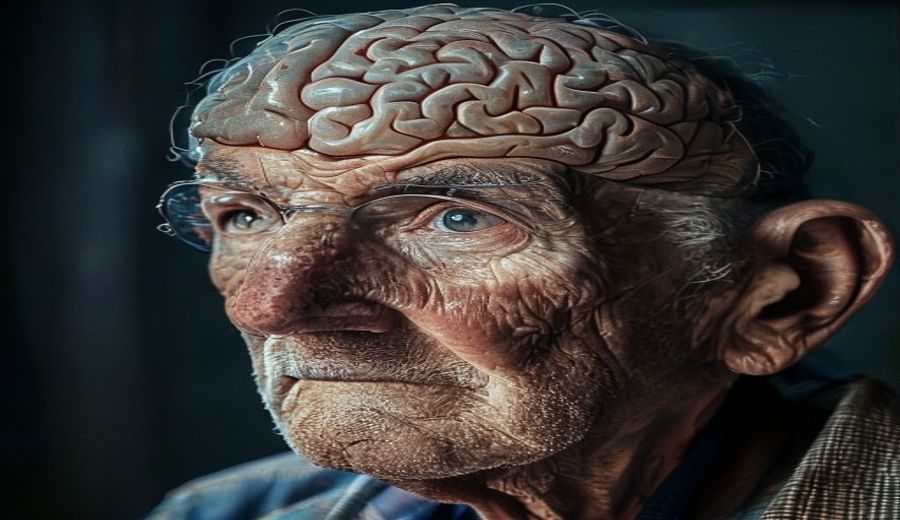
As the world continues to grapple with various health challenges, new research has shed light on the potential risks of excessive TV watching, the inner workings of the flu virus, and the discovery of mystery bacteria in whales. Meanwhile, a promising food compound may hold the key to improving vaccine efficacy in older adults. According to Health & Medicine News -- ScienceDaily, these findings have significant implications for our understanding of human health.
These stories highlight the complex and multifaceted nature of health research, where lifestyle choices, infectious diseases, and environmental factors all play a role in shaping our well-being. As we delve into the details of each study, it becomes clear that there is still much to be learned about the intricate relationships between our bodies, our environment, and the microorganisms that surround us.
Watching too much TV in midlife may shrink the brain
A recent study published in Health & Medicine News -- ScienceDaily has found a link between excessive TV watching in midlife and smaller brain regions later in life. The study, which involved approximately 1,700 adults, revealed that frequent TV viewers showed smaller brain regions involved in memory, decision-making, and visual processing, as well as more signs of damage in the brain's white matter. This is a concerning finding, as it suggests that a common lifestyle choice may have long-term consequences for our brain health.
It's worth noting that sitting itself did not appear to be the primary issue, as people who spent long hours seated at mentally engaging jobs often showed healthier brain patterns. This suggests that it's not just the act of sitting that's problematic, but rather the sedentary behavior combined with a lack of mental stimulation. As Health & Medicine News -- ScienceDaily reports, this study highlights the importance of balancing leisure activities with mentally engaging pursuits.
The implications of this study are significant, as they suggest that making informed choices about our leisure activities can have a positive impact on our brain health. By opting for mentally stimulating activities, such as reading or puzzles, we may be able to reduce our risk of cognitive decline and promote healthier brain function. As researchers continue to explore the relationship between lifestyle choices and brain health, it's clear that there is still much to be learned about the complex factors that shape our well-being.
For context, it's worth noting that brain health is a complex and multifaceted field, influenced by a wide range of factors including genetics, environment, and lifestyle choices. While this study provides valuable insights into the potential risks of excessive TV watching, it's essential to consider the broader context of brain health and the many factors that contribute to our overall well-being.
New molecular map reveals how the flu virus hijacks human cells
Scientists have made a groundbreaking discovery about the flu virus, uncovering a detailed molecular map of how it hijacks human cells. According to Health & Medicine News -- ScienceDaily, the flu virus uses a surprising strategy to dissolve tiny structures in the nucleus and release proteins that it may use to reproduce. This finding has significant implications for our understanding of the flu virus and could reveal new drug targets for treating the disease.
The flu virus is a major public health concern, responsible for thousands of deaths and hospitalizations each year. By understanding how the virus interacts with human cells, researchers may be able to develop more effective treatments and prevention strategies. As Health & Medicine News -- ScienceDaily reports, this study highlights the importance of continued research into the flu virus and its mechanisms of infection.
The discovery of this molecular map is a significant breakthrough, as it provides a detailed understanding of the flu virus's inner workings. By studying the ways in which the virus interacts with human cells, researchers may be able to identify new targets for drug development and improve our ability to combat the disease. As the flu season approaches, this research takes on added importance, highlighting the need for continued vigilance and innovation in the face of this persistent public health threat.
For context, it's worth noting that influenza is a highly contagious and unpredictable disease, with new strains emerging each year. The development of effective treatments and prevention strategies is crucial to mitigating the impact of the flu, and research into the molecular mechanisms of the virus is a critical component of this effort. By advancing our understanding of the flu virus, we may be able to reduce the burden of this disease and promote better health outcomes for individuals and communities.
Scientists found mystery bacteria inside one of the ocean’s most elusive whales
A team of scientists has made a remarkable discovery, uncovering three previously unknown types of Helicobacter bacteria inside the stomachs of pygmy sperm whales. According to Health & Medicine News -- ScienceDaily, all four infected whales showed serious digestive damage, including inflammation, ulcers, scarring, and parasite infestations, although the bacteria were not confirmed as the cause of death.
This finding is significant, as it highlights the complex and often mysterious relationships between marine animals and the microorganisms that inhabit their bodies. The discovery of these mystery bacteria raises important questions about the health and well-being of pygmy sperm whales, and the potential impacts of human activities on these elusive creatures. As Health & Medicine News -- ScienceDaily reports, this study underscores the need for continued research into the intricate relationships between marine life and the microorganisms that surround them.
The pygmy sperm whale is a poorly understood species, and this discovery provides a unique glimpse into the complex ecosystem of the ocean. By studying the relationships between marine animals and the microorganisms that inhabit their bodies, researchers may be able to gain a deeper understanding of the intricate web of life that sustains our planet. As we continue to explore the mysteries of the ocean, it's clear that there is still much to be learned about the complex and often surprising relationships between species.
For context, it's worth noting that marine biology is a rapidly evolving field, with new discoveries and advances in technology continually expanding our understanding of the ocean and its inhabitants. The discovery of these mystery bacteria highlights the importance of continued research into the complex relationships between marine life and the microorganisms that surround them, and underscores the need for a more nuanced understanding of the intricate web of life that sustains our planet.
This food compound may help vaccines work better in older adults
A naturally occurring compound found in foods such as wheat germ, mushrooms, and aged cheese may hold the key to improving vaccine efficacy in older adults. According to Health & Medicine News -- ScienceDaily, researchers found that giving spermidine supplements to adults over 65 following their third COVID-19 vaccine dose resulted in higher antibody levels and stronger activity against several variants.
This finding is significant, as it suggests that a simple dietary intervention may be able to enhance the effectiveness of vaccines in older adults. As the global population ages, it's essential to develop strategies for improving vaccine efficacy and promoting healthy aging. By exploring the potential benefits of spermidine and other food compounds, researchers may be able to identify new ways to support immune function and reduce the risk of infectious diseases.
The discovery of this food compound's potential benefits is a promising development, as it highlights the complex relationships between nutrition, immunity, and aging. By studying the ways in which dietary factors influence immune function, researchers may be able to identify new strategies for promoting healthy aging and reducing the burden of infectious diseases. As Health & Medicine News -- ScienceDaily reports, this study underscores the importance of continued research into the intricate relationships between nutrition, immunity, and aging.
For context, it's worth noting that immune function declines with age, making older adults more susceptible to infectious diseases. The development of effective strategies for enhancing vaccine efficacy and promoting healthy aging is crucial to mitigating the impact of infectious diseases on older adults. By exploring the potential benefits of spermidine and other food compounds, researchers may be able to identify new ways to support immune function and reduce the risk of infectious diseases.
The bottom line
These stories highlight the complex and multifaceted nature of health research, where lifestyle choices, infectious diseases, and environmental factors all play a role in shaping our well-being. By exploring the intricate relationships between our bodies, our environment, and the microorganisms that surround us, researchers may be able to identify new strategies for promoting healthy aging, reducing the burden of infectious diseases, and enhancing our overall quality of life.
As we consider the implications of these findings, it's essential to recognize the importance of continued research and innovation in the field of health. By advancing our understanding of the complex factors that shape our well-being, we may be able to develop more effective treatments, prevention strategies, and lifestyle interventions that promote healthy aging and reduce the risk of disease. As Health & Medicine News -- ScienceDaily reports, these stories underscore the need for ongoing investment in health research and the importance of staying informed about the latest developments in the field.
- Excessive TV watching in midlife may be linked to smaller brain regions and more signs of damage in the brain's white matter.
- A new molecular map reveals how the flu virus hijacks human cells, potentially revealing new drug targets for treating the disease.
- Scientists have discovered mystery bacteria inside the stomachs of pygmy sperm whales, highlighting the complex relationships between marine animals and the microorganisms that inhabit their bodies.
- A naturally occurring compound found in foods such as wheat germ, mushrooms, and aged cheese may help vaccines work better in older adults.
- Continued research and innovation in the field of health are essential to promoting healthy aging, reducing the burden of infectious diseases, and enhancing our overall quality of life.
🚀 Built by Mapt
Like this site? Mapt builds websites, brands & growth engines — over text.