Brain Repair Explained
The adult brain's surprising ability to heal itself
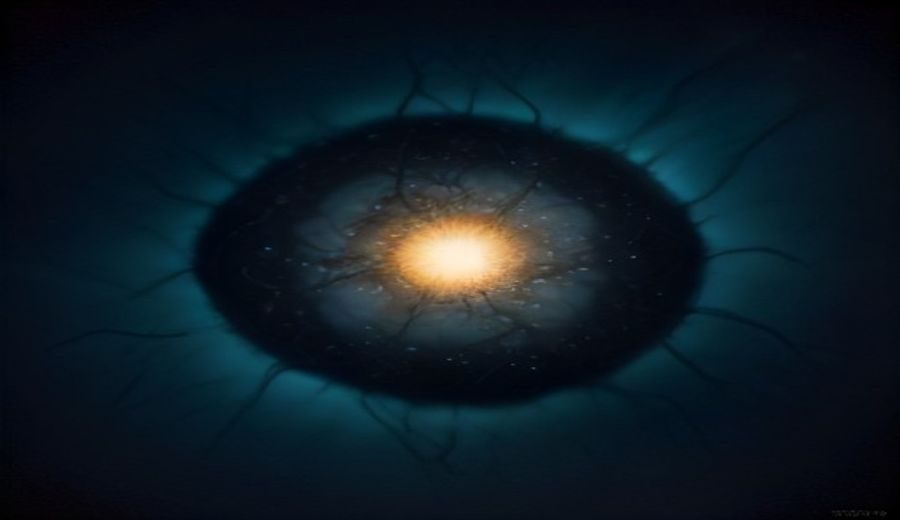
The adult brain has a remarkable ability to repair itself through the help of special support cells called astrocytes. These cells can rebuild lost cellular networks and repopulate damaged regions. Astrocytes play a crucial role in the brain's self-healing process.
What is brain repair and how does it work?
Brain repair is the process by which the brain heals itself after injury or damage. According to Health & Medicine News -- ScienceDaily, researchers have discovered that astrocytes are key players in this process. These cells can create new nuclei and send them traveling through long cellular extensions to repopulate damaged regions.
The discovery of brain repair mechanisms has significant implications for our understanding of brain function and recovery. For example, it suggests that the brain may be more resilient than previously thought, and that certain therapies or interventions could be developed to enhance the brain's self-healing abilities.
As reported by Health & Medicine News -- ScienceDaily, the brain's ability to repair itself is a complex process that involves the coordinated effort of multiple cell types. Further research is needed to fully understand the mechanisms underlying brain repair and to develop effective therapies for promoting brain health.
Why does brain repair matter?
Brain repair matters because it has the potential to revolutionize our understanding of brain function and recovery. By understanding how the brain repairs itself, researchers may be able to develop new therapies or interventions for a range of neurological disorders, including stroke, traumatic brain injury, and neurodegenerative diseases.
According to Health & Medicine News -- ScienceDaily, the discovery of brain repair mechanisms could also lead to the development of new treatments for conditions such as Parkinson's disease. For example, researchers may be able to use deep brain stimulation to enhance the brain's self-healing abilities and promote recovery.
The implications of brain repair are far-reaching and have the potential to impact a wide range of fields, from neuroscience and medicine to psychology and education. By understanding how the brain repairs itself, we may be able to develop new strategies for promoting brain health and improving cognitive function.
What happens next with brain repair research?
Brain repair research is an active and rapidly evolving field, with new discoveries and breakthroughs being reported regularly. According to Health & Medicine News -- ScienceDaily, researchers are currently exploring a range of approaches for promoting brain repair, including the use of stem cells, gene therapy, and other innovative technologies.
As our understanding of brain repair mechanisms continues to grow, we can expect to see the development of new therapies and interventions for a range of neurological disorders. For example, researchers may be able to use brain repair mechanisms to develop new treatments for stroke, traumatic brain injury, or neurodegenerative diseases such as Alzheimer's and Parkinson's.
Frequently asked questions
What are astrocytes and how do they contribute to brain repair?
Astrocytes are a type of support cell in the brain that play a crucial role in brain repair. They can create new nuclei and send them traveling through long cellular extensions to repopulate damaged regions, as reported by Health & Medicine News -- ScienceDaily.
Can brain repair be enhanced or promoted through therapy or intervention?
Yes, brain repair can be enhanced or promoted through therapy or intervention. Researchers are currently exploring a range of approaches for promoting brain repair, including the use of stem cells, gene therapy, and other innovative technologies.
What are the implications of brain repair for our understanding of brain function and recovery?
The implications of brain repair are far-reaching and have the potential to impact a wide range of fields, from neuroscience and medicine to psychology and education. By understanding how the brain repairs itself, we may be able to develop new strategies for promoting brain health and improving cognitive function.
The bottom line
- The adult brain has a remarkable ability to repair itself through the help of astrocytes.
- Brain repair mechanisms have significant implications for our understanding of brain function and recovery.
- Researchers are currently exploring a range of approaches for promoting brain repair, including the use of stem cells, gene therapy, and other innovative technologies.
- By understanding how the brain repairs itself, we may be able to develop new strategies for promoting brain health and improving cognitive function.
- Brain repair research has the potential to revolutionize our understanding of brain function and recovery, and to lead to the development of new therapies or interventions for a range of neurological disorders.
🚀 Built by Mapt
Like this site? Mapt builds websites, brands & growth engines — over text.