Walking Efficiency Explained
Understanding why walking gets harder with age and what you can do about it
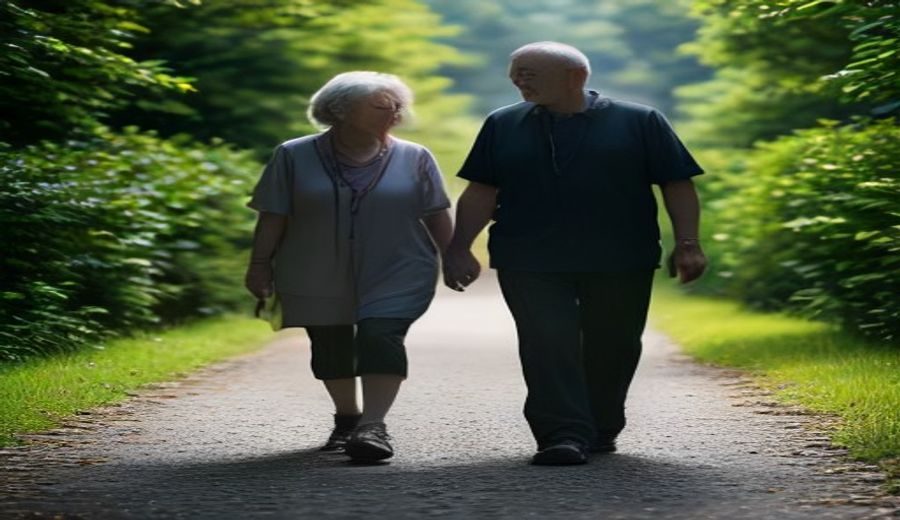
Walking efficiency declines with age due to the body's natural response to prioritize stability over efficiency. As we age, our bodies stiffen the ankle more with each step, which can help prevent falls but also forces the muscles to work harder while producing less forward motion. This leads to shorter strides, slower walking, and faster fatigue, as reported by Health & Medicine News -- ScienceDaily.
What is walking efficiency and how does it change with age?
Walking efficiency refers to the body's ability to generate forward motion while walking with minimal energy expenditure. As we age, our bodies undergo natural changes that affect our walking efficiency. According to Health & Medicine News -- ScienceDaily, older adults stiffen the ankle more with each step, which can help prevent falls but also reduces walking efficiency.
This change in walking efficiency can be attributed to the body's natural response to prioritize stability over efficiency. As we age, our bodies become more cautious and prioritize preventing falls over maintaining efficient walking patterns. However, this change can have significant effects on our overall mobility and quality of life.
Understanding the changes that occur in walking efficiency with age is crucial for developing effective strategies to preserve mobility. By recognizing the importance of walking efficiency, individuals can take proactive steps to maintain their mobility and reduce the risk of falls and other age-related mobility issues.
Why does walking efficiency matter for our overall health?
Mobility is a critical aspect of our overall health, and walking efficiency plays a significant role in maintaining it. As we age, our mobility naturally declines, which can increase the risk of falls, injuries, and other age-related health issues. By preserving walking efficiency, individuals can reduce the risk of these issues and maintain their independence.
Furthermore, walking efficiency is also linked to other aspects of our health, such as cardiovascular health and cognitive function. Regular physical activity, including walking, has been shown to have numerous health benefits, including reducing the risk of chronic diseases and improving mental health.
According to Health & Medicine News -- ScienceDaily, exercises targeting balance, coordination, and lower-leg strength can help preserve mobility and improve walking efficiency. These exercises can be tailored to individual needs and abilities, making them accessible to people of all ages.
What can be done to improve walking efficiency?
Fortunately, there are several strategies that can help improve walking efficiency and preserve mobility. Exercises targeting balance, coordination, and lower-leg strength are particularly effective in improving walking efficiency. These exercises can include activities such as tai chi, yoga, and walking on varied terrain.
In addition to exercise, other factors can also influence walking efficiency. For example, maintaining a healthy weight, managing chronic health conditions, and getting enough sleep can all contribute to improved walking efficiency. By addressing these factors and incorporating exercises into our daily routine, we can take proactive steps to preserve our mobility and maintain our independence.
Frequently asked questions
What causes walking efficiency to decline with age?
Walking efficiency declines with age due to the body's natural response to prioritize stability over efficiency. As we age, our bodies stiffen the ankle more with each step, which can help prevent falls but also reduces walking efficiency.
Can exercises improve walking efficiency?
Yes, exercises targeting balance, coordination, and lower-leg strength can help improve walking efficiency and preserve mobility. These exercises can include activities such as tai chi, yoga, and walking on varied terrain.
How can I incorporate exercises into my daily routine to improve walking efficiency?
Incorporating exercises into your daily routine can be as simple as taking a short walk each day or practicing tai chi or yoga. It's essential to start slowly and gradually increase the intensity and duration of your exercises to avoid injury and ensure long-term benefits.
The bottom line
- Walking efficiency declines with age due to the body's natural response to prioritize stability over efficiency.
- Exercises targeting balance, coordination, and lower-leg strength can help improve walking efficiency and preserve mobility.
- Maintaining a healthy weight, managing chronic health conditions, and getting enough sleep can also contribute to improved walking efficiency.
- Incorporating exercises into your daily routine can help preserve mobility and reduce the risk of falls and other age-related health issues.
🚀 Built by Mapt
Like this site? Mapt builds websites, brands & growth engines — over text.