Small Modular Reactors Explained: How They Work & Why They Matter
A deep dive into small modular reactors, their technology, benefits, challenges, and future role in clean energy.
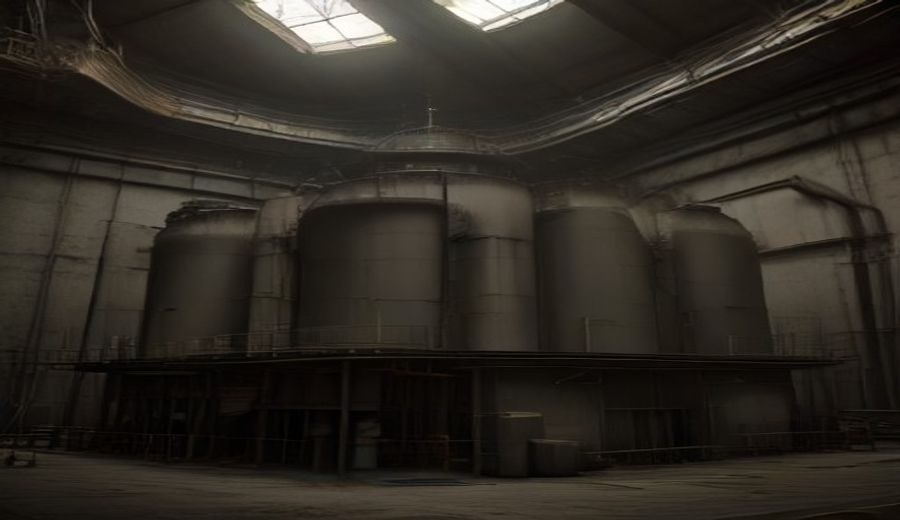
Small modular reactors (SMRs) are compact nuclear power units that generate electricity in factories and can be shipped to sites for quick installation. They offer a scalable, lower‑cost alternative to traditional large reactors, promising safer and more flexible clean energy.
What are small modular reactors and how do they work?
SMRs are nuclear reactors typically under 300 megawatts electric (MWe) that are built in a controlled factory environment rather than on‑site. This modular approach reduces construction time and costs while improving quality control.
Because they are smaller, SMRs can be transported by truck, rail, or ship and installed in remote or constrained locations. Once on site, they are connected to the grid or used for district heating, providing flexible energy solutions.
Many SMR designs use proven pressurized water reactor (PWR) technology, but some explore advanced concepts like molten‑salt or gas‑cooled systems. These variations aim to enhance safety, efficiency, and waste management.
The discussion on Hacker News highlighted a recent Nature article noting that smaller reactors bring nuclear power closer to fulfilling its promise, underscoring the growing interest in SMRs as a practical path forward for nuclear energy.Read the article.
Why do small modular reactors matter for the energy transition?
Decarbonizing electricity grids requires reliable, low‑carbon baseload power, and SMRs can fill that gap without the intermittency of wind or solar. Their smaller size makes them suitable for regions lacking large‑scale infrastructure.
Factory‑built reactors lower upfront capital expenditures, allowing utilities and governments to finance projects incrementally. This financial flexibility can accelerate deployment in emerging markets.
SMRs also support hybrid energy systems, pairing with renewables and storage to provide a stable power mix. Their ability to supply heat directly makes them attractive for industrial processes and district heating networks.
Overall, SMRs present a pathway to scale nuclear capacity more quickly and cost‑effectively, aligning with climate goals outlined in international agreements.
What challenges and criticisms do SMRs face?
Regulatory frameworks were originally designed for large reactors, so adapting licensing processes for SMRs can be time‑consuming and uncertain. Authorities must balance safety oversight with the need for streamlined approval.
Economies of scale remain a concern; while factory production reduces costs, achieving sufficient volume to rival traditional reactors is still a hurdle. Critics argue that without large deployment numbers, SMRs may not be as cheap as promised.
Public perception of nuclear safety continues to influence acceptance. Even though SMRs incorporate passive safety features, any nuclear project must address community concerns and waste disposal plans.
Supply chain readiness is another issue. Specialized components and skilled labor are required, and scaling up manufacturing will need coordinated investment.
What is the outlook for SMRs and where are they being deployed?
Several countries, including the United States, Canada, the United Kingdom, and China, have announced pilot projects or are reviewing SMR designs. These initiatives signal growing governmental support.
Private companies such as NuScale, Rolls‑Royce, and Terrestrial Energy are advancing commercial prototypes, with some aiming for grid connection within the next decade. Their progress is closely watched by investors and policymakers.
In addition to electricity generation, SMRs are being explored for desalination, hydrogen production, and remote micro‑grid applications, expanding their market potential.
While timelines vary, the consensus among industry analysts is that the next 5‑10 years will be critical for proving SMR technology at scale and moving from demonstration to commercial operation.
Frequently asked questions
What is the difference between an SMR and a traditional nuclear reactor?
SMRs are smaller (typically under 300 MWe), factory‑built, and designed for modular deployment, whereas traditional reactors are large, on‑site constructed plants often exceeding 1,000 MWe.
How safe are small modular reactors?
SMRs incorporate passive safety systems that shut down automatically without human intervention or external power, reducing the risk of accidents compared to older designs.
Can SMRs be used for district heating?
Yes, many SMR concepts are designed to provide both electricity and high‑temperature heat, making them suitable for district heating and industrial processes.
What countries are building SMRs first?
The United States, United Kingdom, Canada, and China have announced the earliest SMR projects, with several companies moving toward licensing and construction.
The bottom line
- SMRs are compact, factory‑built nuclear reactors offering lower upfront costs and faster deployment.
- They provide reliable, low‑carbon power, supporting grid stability and hybrid energy systems.
- Regulatory, economic, and public‑acceptance challenges must be addressed for widespread adoption.
- Global pilots are underway, and the next decade will determine if SMRs become a mainstream clean‑energy solution.
🚀 Built by Mapt
Like this site? Mapt builds websites, brands & growth engines — over text.