Nigeria Allocates £700,000 to Fake Agency in 2026 Budget
Fake federal agency sparks fury in Nigeria
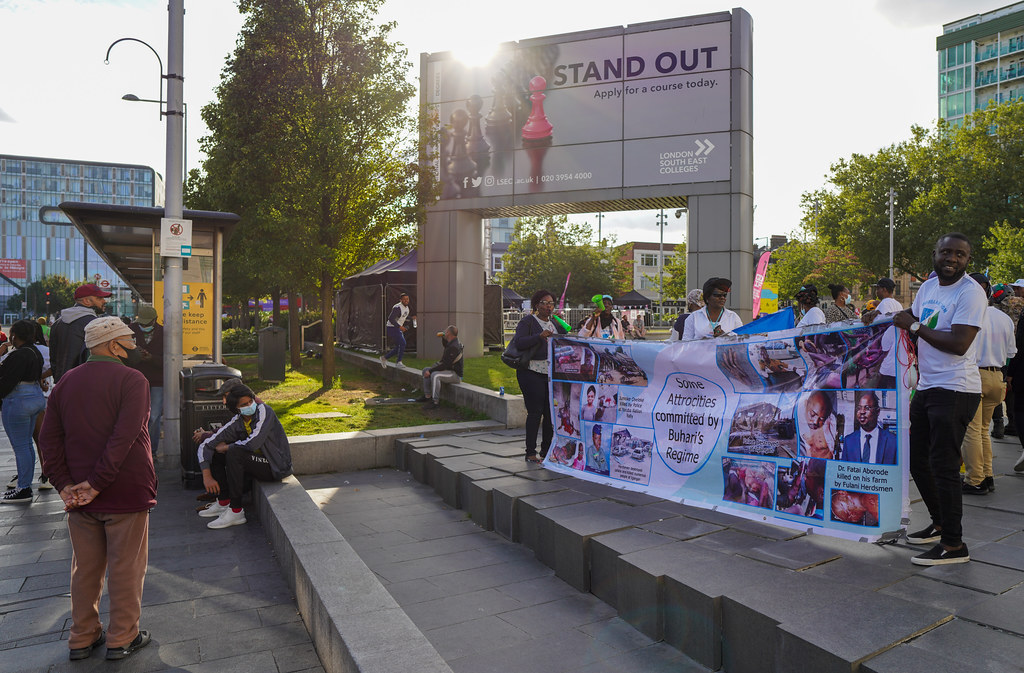
A shocking discovery in Nigeria has sent shockwaves throughout the country, as a fictitious federal entity was allocated 1.3bn naira (£700,000) in the 2026 budget, sparking a political storm in Africa's largest democracy, according to The Guardian. This scandal has triggered renewed scrutiny of alleged corruption, with President ordering an investigation into the matter. The fake agency came to light last October when Femi Gbajabiamila, the president's chief of staff, wrote to the police alleging that his signature, along with official seals and reference numbers, had been forged.
The implications of this scandal are far-reaching, with many questioning the transparency and accountability of the Nigerian government. As reported by The Guardian, the fake agency was set up in government HQ, raising concerns about the level of corruption and deceit within the highest echelons of power. The fact that this entity was allocated a significant amount of funding has sparked outrage among citizens, who are demanding answers and action from their leaders.
As the country prepares for a general election in January, this scandal has the potential to significantly impact the outcome. The opposition is likely to capitalize on this issue, using it as a campaign rallying cry to highlight the need for change and reform. Meanwhile, the ruling party will be under pressure to demonstrate its commitment to transparency and accountability, and to take concrete steps to address the corruption that has plagued the country for so long.
Contextually, corruption has long been a major challenge in Nigeria, with the country ranking 146 out of 180 on the Transparency International Corruption Perceptions Index. The discovery of this fake agency has brought the issue back into the spotlight, highlighting the need for urgent action to address the root causes of corruption and to ensure that those responsible are held accountable.
Iran and the US-Iran Conflict
The final stage of Ayatollah Ali Khamenei's funeral has begun after a delay, with thousands gathering for the procession in Mashhad, as reported by the New York Times. The supreme leader was killed in the first US-Israeli attacks of the war, which has sparked a significant escalation in tensions between the two countries. Hours earlier, the United States and Iran traded strikes, highlighting the volatile nature of the conflict.
The background to this conflict is complex, with decades of tension and hostility between the US and Iran. The current crisis has been exacerbated by the US withdrawal from the Joint Comprehensive Plan of Action (JCPOA), also known as the Iran nuclear deal, which has led to a significant increase in tensions. As the conflict continues to unfold, there are concerns about the potential for further escalation and the impact on regional and global stability.
The funeral of Ayatollah Ali Khamenei has become a rallying point for the Iranian people, with many gathering to pay their respects to the former leader. The procession has been marked by anti-US and anti-Israeli slogans, highlighting the strong feelings of resentment and anger towards the two countries. As the conflict continues, it is likely that we will see further protests and demonstrations, both within Iran and internationally.
The implications of this conflict are far-reaching, with the potential to impact global oil prices, regional stability, and the broader Middle East peace process. As reported by NPR, the conflict has already disrupted shipping through the Strait of Hormuz, leading to fluctuations in gas prices and uncertainty for consumers. The international community will be watching the situation closely, as the US and Iran engage in a war of words and actions.
NATO Summit and European Defense
The recent NATO summit has highlighted the divisions within the alliance, with President Trump insulting allies and demanding loyalty, as reported by the New York Times. However, despite the tensions, the military alliance has moved quietly closer to accepting more European responsibility for defense. This shift has significant implications for the future of European security and the role of the US in the region.
The background to this development is the growing recognition that Europe needs to take more responsibility for its own defense. The European Union has been working to develop its own defense capabilities, including the creation of a European Defense Fund and the development of a new defense strategy. The NATO summit has provided a platform for European leaders to reiterate their commitment to defense cooperation and to discuss ways to strengthen the alliance.
As reported by the BBC, the Turkish president gifted a gun and ammunition to the UK's Labour leader, Keir Starmer, during the NATO summit. The weapon has not been brought back to the UK and has instead been left with British officials in Turkey. This incident has sparked debate about the protocol and etiquette surrounding gifts from foreign leaders, and has raised questions about the potential implications for UK-Turkey relations.
The implications of the NATO summit are significant, with the potential to shape the future of European security and the role of the US in the region. As the alliance continues to evolve, it is likely that we will see further debates about the balance of power and the distribution of responsibility for defense. The US will need to navigate its relationships with European allies, while also addressing its own domestic priorities and concerns.
The bottom line
In conclusion, the past week has seen significant developments in global news, from the corruption scandal in Nigeria to the US-Iran conflict and the NATO summit. These stories have highlighted the complexities and challenges of the modern world, from corruption and conflict to defense and security. As we look to the future, it is clear that these issues will continue to shape the global agenda, and that leaders will need to navigate a range of competing priorities and interests.
- The Nigerian government must take concrete steps to address corruption and ensure transparency and accountability, in order to restore public trust and confidence.
- The US and Iran must work to de-escalate tensions and find a peaceful resolution to the conflict, in order to avoid further instability and bloodshed.
- The NATO alliance must continue to evolve and adapt to changing circumstances, in order to remain relevant and effective in the face of emerging security challenges.
- European leaders must take more responsibility for defense and security, in order to ensure the stability and prosperity of the region.
- Global leaders must prioritize cooperation and diplomacy, in order to address the complex and interconnected challenges facing the world today.
🚀 Built by Mapt
Like this site? Mapt builds websites, brands & growth engines — over text.